
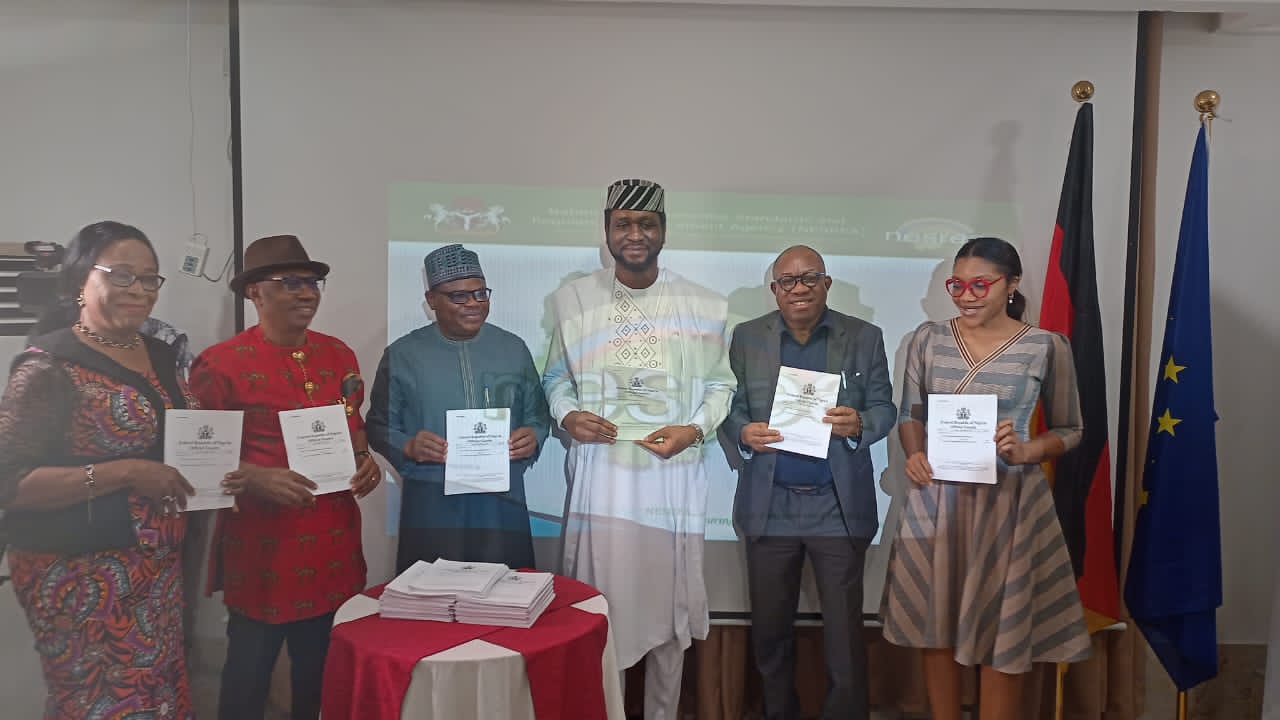
Nigeria Ranks Major Consumer Of Battery
By Ngozi Nwankwo
Chairman, House of Representative’s Committee on Environment, Julius Gbabojor has said Nigeria is the major consumer of battery world wide.
Gbabojor who was represented by the
Vice Chairman committee on Environmet, House of Representatives, Terseer Ugbor, Ushongo/ Kwande Constituency made this known at the launch of the National Environment Battery Control Regulations organized by the National Environmental Standards and Regulations Enforcement Agency, NESREA, with support from the Nigerian Energy Support Programme,NESP, Heinrich Boll Foundation and Alliance for Responsible Battery Recycling,ARBR,in Abuja.
” we are talking about the product of lead ingot that is a primary resource for the manufacturing of batteries which is a major component of the current power industrial sector when it comes to energy storage and energy Usage.
“It is an industrial process that starts from the collection, transportation, recovery of precious metals back into the manufacturing process of the Nigerian industrial sector which in this case, is the battery sector. It’s quite an important area, it’s something that has a lot of value on Nigeria’s GDP, Nigeria’s Product, the export and import of metals including lithium that has become a major export commodity and a major resource, for battery manufacturing across the world.
“Nigeria has a major role to play because we are a major consumer of batteries and we are a major producer of used batteries across the world because of our automotive, manufacturing and renewable energy sector that relies on energy storage. So, everything ties to the Nigerian industrial process and it’s a very important area that I think if we can adequately improve and manage efficiently, it will contribute so much to our GDP as a country,” said Gbabojor.
Earlier in her goodwill message, the Executive Secretary of the Alliance for Responsible Battery Recycling,ARBR, said the importance of regulations and standards on the battery sector cannot be overstated as it is both for the regulator and the regulated community.
she however stressed the need to create the necessary networks, partnerships, and collaborations to sensitise stakeholders to promote compliance.
“This has been the overarching objective of ARBR’s advocacy program, I am pleased to inform you that over the last four years, ARBR, along with our partners, have worked tirelessly to collect data and evidence of the growing battery usage and recycling activities in Nigeria.
“We have seen firsthand the impact of sub-standard collection and recycling practices on workers, communities and the environment, and we are committed to finding sustainable solutions to mitigate these risks. This prompted for the government to provide regulatory frameworks – the National Waste Battery Management Policy and the National Environmental (Battery Control) Regulations 2024 These instruments spell out specific requirements and guidelines for the usage, collection and recycling of used batteries in line with the Extended Producer Responsibility (EPR) program.”
She laments that challenges remain in terms of implementation, resource allocation, and public awareness.
“ARBR is now equipped with the necessary instrument to assist our members to comply with the provisions of the regulations as we believe that we can make a remarkable difference in improving environmental health and safety for a more sustainable and responsible future in the battery sector in Nigeria”.