
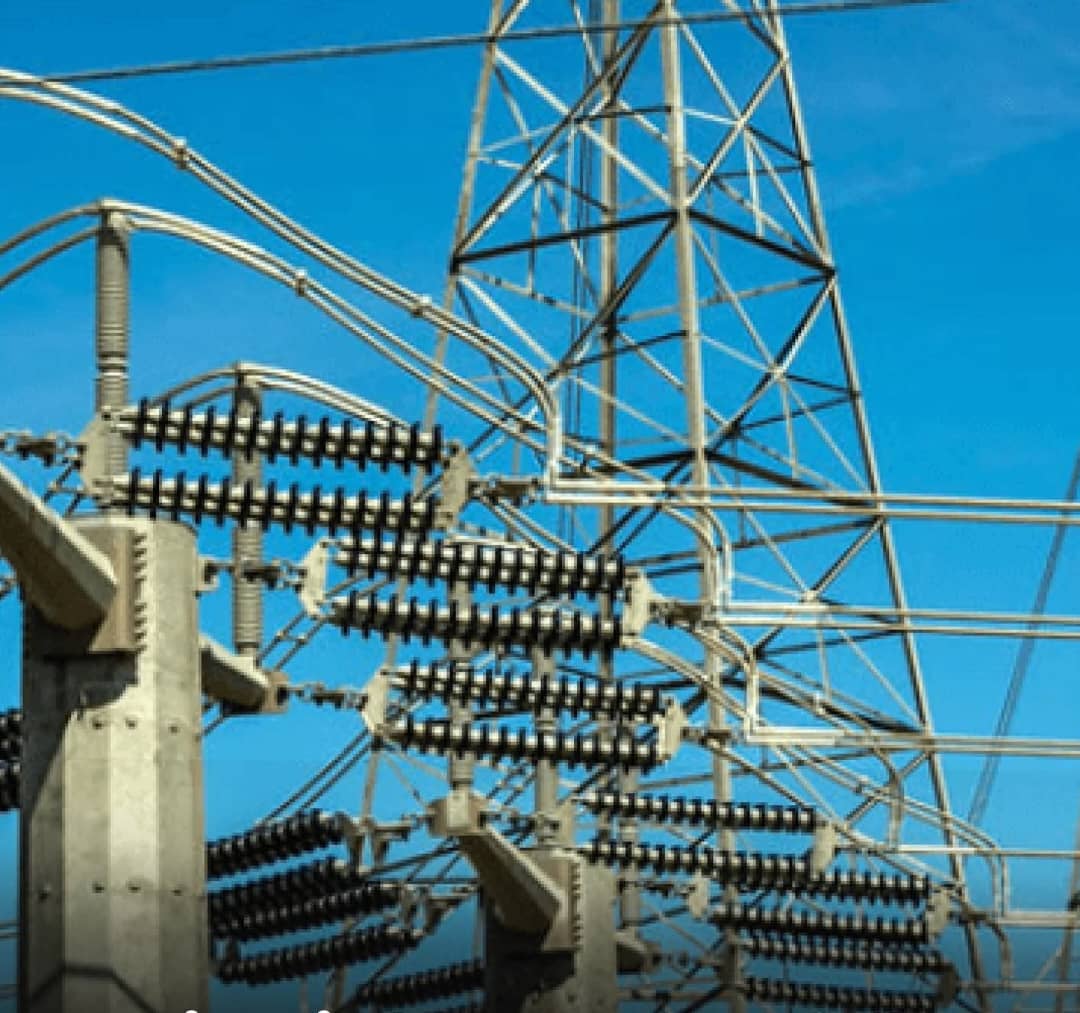
Nigeria has achieved a historic milestone in regional energy cooperation, with the Nigerian Independent System Operator (NISO) successfully synchronizing the country’s national electricity grid with the West African Power Pool (WAPP). This breakthrough links Nigeria to 14 other West African countries, creating a single operational grid that enhances reliability, stability, and cross-border energy exchange.
“The successful synchronisation marks a historic milestone in regional energy cooperation and demonstrates NISO’s technical capacity to manage complex grid operations in line with international standards,” said Adesegun Akin-Olugbade, Chairman of NISO’s Board of Directors, and Abdu Bello, NISO’s Chief Executive Officer.
The synchronization, conducted on November 8, 2025, connects Area 1 (Nigeria, Niger, and parts of Benin and Togo) with Areas 2 and 3 (the rest of West Africa), creating a unified electricity market that allows countries to trade electricity efficiently, reduce supply costs, and improve grid reliability through shared reserves ¹ ² ³.
This achievement positions Nigeria as a pivotal player in the region’s electricity ecosystem, enabling cross-border energy trading, foreign exchange earnings, and the unlocking of stranded generation capacity from underutilized power plants. The synchronization also opens access to international donor funding for strategic transmission infrastructure projects, such as the North Core Transmission Project in Birnin Kebbi and the Ajegunle 330 kV Substation in Lagos.
The West African Power Pool initiative aims to create a single, competitive electricity market capable of delivering sustainable power to over 400 million people across 14 countries under the Economic Community of West African States (ECOWAS).