
In a bid to reduce Nigeria’s annual medicine import bill of $753 million, the National Institute for Cultural Orientation (NICO) is set to partner with the Chinese government to tap into the country’s rich knowledge of traditional medicine.
According to Otunba Biodun Ajiboye, Director General of NICO, “We want to see how we can use our cultural and natural endowment for our society and to benefit our people. We spent $753 million every year, and I am sure we can cut that out, and our dollars will perform better things, and the economic hardship we shouting about can come down.”
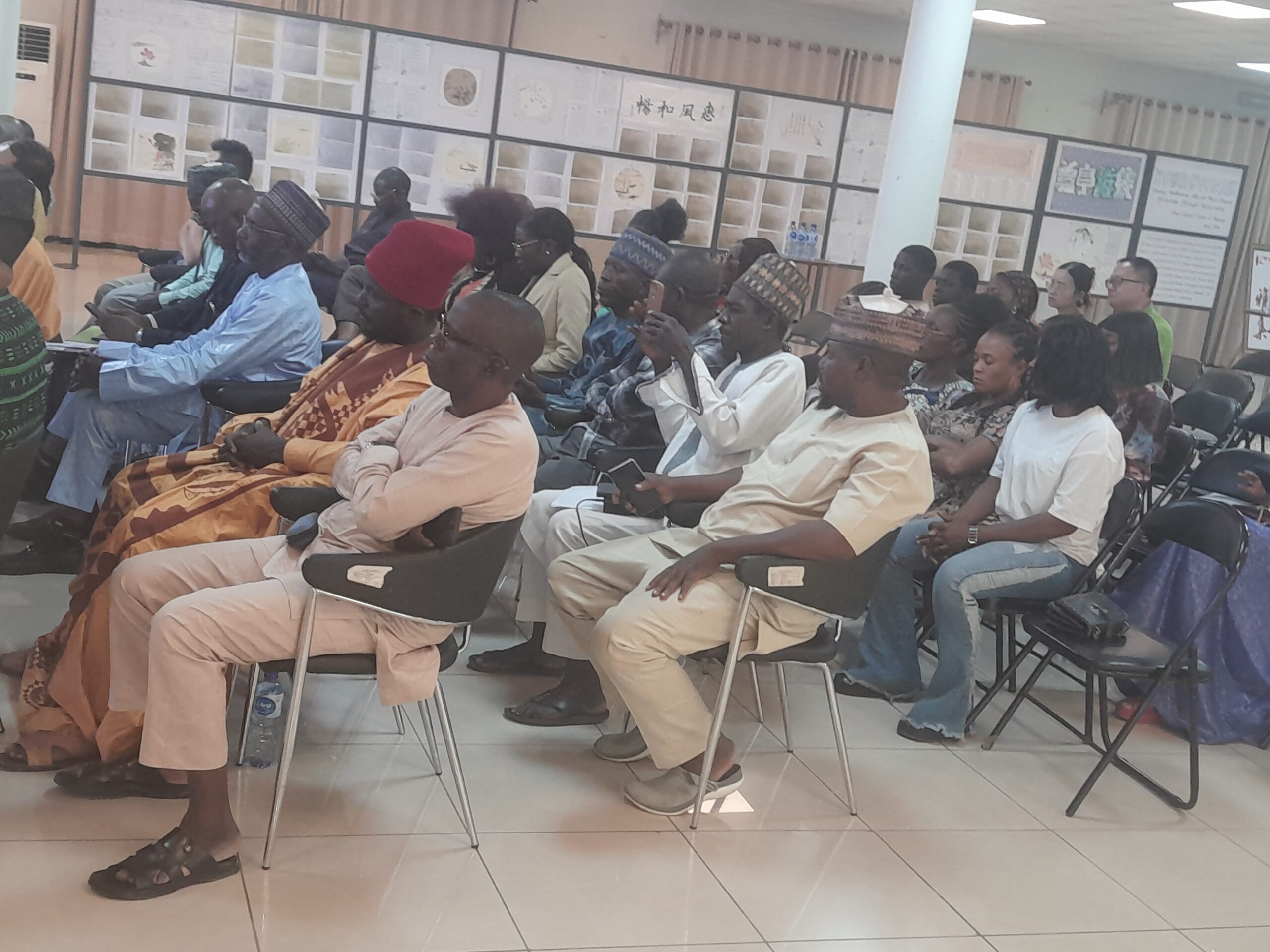
Ajiboye disclosed this during a seminar on Traditional Medicine Exchange and Cooperation between China and Nigeria, held at the China Cultural Center in Nigeria on September 7th, 2024.
Ajiboye expressed his commitment to driving this change, stating, “I want to see how we can use our cultural and natural endowment for our society and to benefit our people… I will push this within the confines of my institute.”
The partnership aims to create a botanical garden in three zones of Nigeria, where plants will be planted and utilized for medicinal purposes. Ajiboye noted that they will collaborate with Chinese experts to convert these plants into products that can be used by the common man who cannot afford Western medicine.
Also speaking in a lecture, the Managing Director of East and West Hospital Abuja, Dr. Yuan Andy, shared insights on the journey of Chinese traditional medicine. He highlighted the rich history of Chinese traditional medicine, dating back an impressive 4,000 years.
“Chinese traditional medicine has a long and storied history, with roots dating back to 4000 years ago,” Dr. Andy said. “Initially, introducing alternative medicine in China was challenging. It was difficult to convince people to try these traditional remedies, as they were unfamiliar with them.”
However, Dr. Andy noted that with time and standardization, Chinese patients began to embrace alternative medicine. “As we continued to educate and raise awareness about the benefits of traditional medicine, people started to accept it. Today, we see a growing number of patients seeking out these alternative treatments.”
In her presentation, Professor Hajaratu Umar Sulayman, a Consultant Obstetrician/Gynaecologist, expressed delight at being part of the program, stating, “I’m really enlightened to be here… I think the essence of our togetherness here is to see what areas of collaboration between China and Nigeria.”
She emphasised the importance of understanding the status quo in Nigeria regarding traditional medicine, highlighting the need for acceptance and recognition of Nigerian medicinal plants as equally important as those globally.
Sulayman identified areas for collaboration, including research, knowledge sharing, exchange programs, regulatory framework, and commercialization. She stressed the need for a mutual benefit approach, stating, “Once you have mutual benefit, there will be improved healthcare in both countries… it will also create an economic benefit.”
The seminar aimed to create a framework for substantial collaboration between Nigeria and China, moving beyond project-based cooperation. Sulayman concluded, “I hope this gathering will create a framework by which we collaborate on something substantial.”
Other experts who deliver papers are Professor Bala Audu
Prof Nuhu Alkali
Prof Idu Mcdonald
Dr Aminu Abdallah
Dr Zainab