
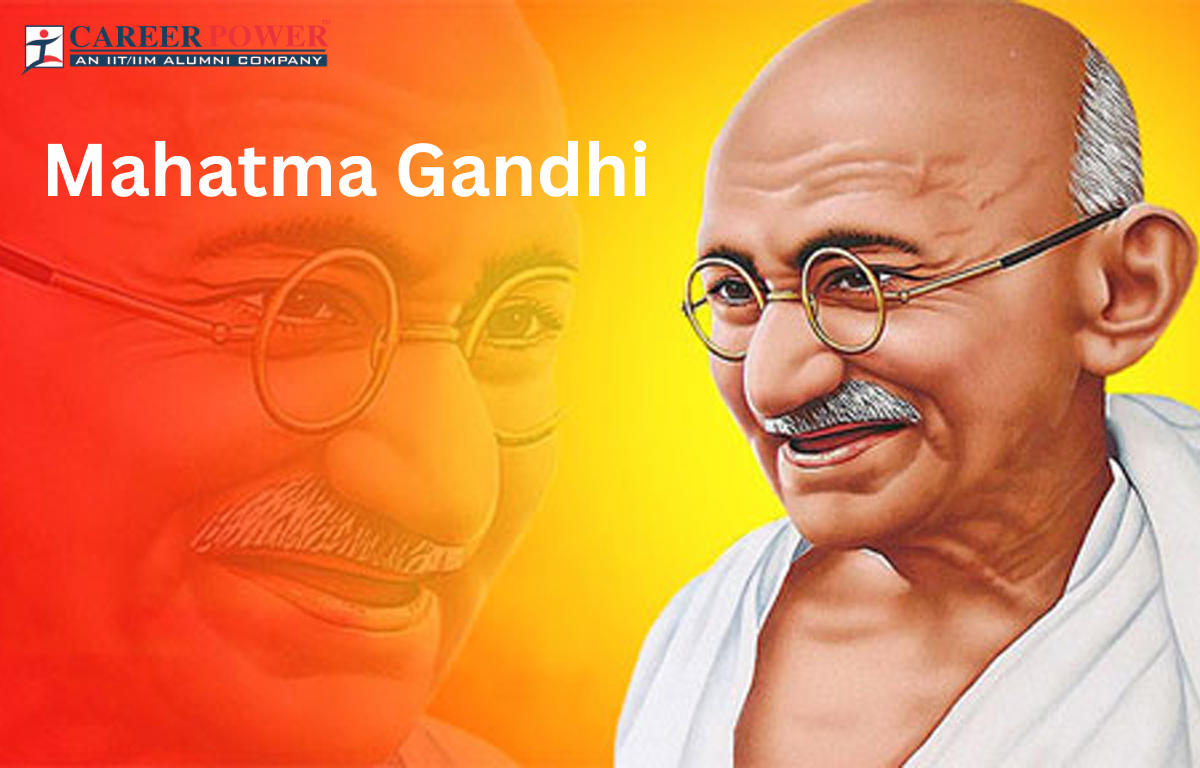
Nigeria, a vibrant nation bursting with potential, often finds itself grappling with challenges that seem deeply ingrained. While the roots of these hardships are complex and multifaceted, Mahatma Gandhi’s “Seven Social Sins” offer a poignant lens through which to examine some of the societal issues hindering progress.
Wealth without work: The allure of easy money can be seductive, leading to shortcuts and corruption. When wealth accumulates through dubious means, it breeds inequality and erodes the work ethic of a nation. In Nigeria, addressing issues like resource mismanagement and tackling the cancer of corruption are crucial steps towards ensuring that hard work, not happenstance, becomes the key to prosperity.
Pleasure without conscience: Unbridled hedonism can come at the cost of neglecting responsibilities and ignoring the plight of others. When self-gratification becomes the sole pursuit, a society loses its moral compass and community spirit. Fostering a culture of empathy and social responsibility, where individual pleasure is balanced with concern for the common good, is vital for Nigeria’s well-being.
Knowledge without character: Education becomes hollow without the foundation of strong moral values. When knowledge is not accompanied by integrity and compassion, it can be wielded for manipulation or personal gain. Encouraging critical thinking alongside ethical frameworks is key to ensuring that Nigeria’s educated youth become a force for positive change, not instruments of exploitation.
Commerce without morality: The pursuit of profit should not be at the expense of human dignity and environmental well-being. When businesses prioritize greed over fair practices and ethical sourcing, they sow seeds of distrust and environmental degradation. Building a sustainable and equitable economy that values people and planet alongside profit is the path towards responsible progress for Nigeria.
Science without humanity: Technological advancements offer tremendous potential, but their application must be guided by a deep understanding of their human impact. When scientific progress ignores ethical considerations and social consequences, it can exacerbate existing inequalities and create new forms of suffering. Ensuring that science serves humanity in Nigeria requires robust ethical frameworks and inclusive decision-making processes.
Religion without sacrifice: True faith necessitates selflessness and action. When religion becomes merely a ritualistic practice devoid of compassion and a commitment to serving others, it loses its transformative power. Rekindling the spirit of service and social justice at the heart of religious teachings can be a powerful catalyst for positive change in Nigerian society.
Politics without principle: When political systems prioritise self-preservation and personal gain over the needs of the people, they breed cynicism and disillusionment. Restoring integrity to governance, upholding the rule of law, and prioritizing transparency are essential to rebuild trust and pave the way for a future where leadership serves the greater good.
Confronting these “Seven Social Sins” is not an easy task, but it is a necessary one. Each sin represents a thread in the intricate tapestry of Nigeria’s challenges, and addressing them requires a multi-pronged approach. From individual introspection to systemic reforms, from fostering ethical education to promoting responsible business practices, Nigerians must work together to weave a new narrative, one where progress is driven by shared values and a commitment to the common good. By holding ourselves accountable to these fundamental principles, we can transform the mirror from a reflection of shortcomings into a roadmap for a brighter future.