
By SUNDAY ABBA, Abuja
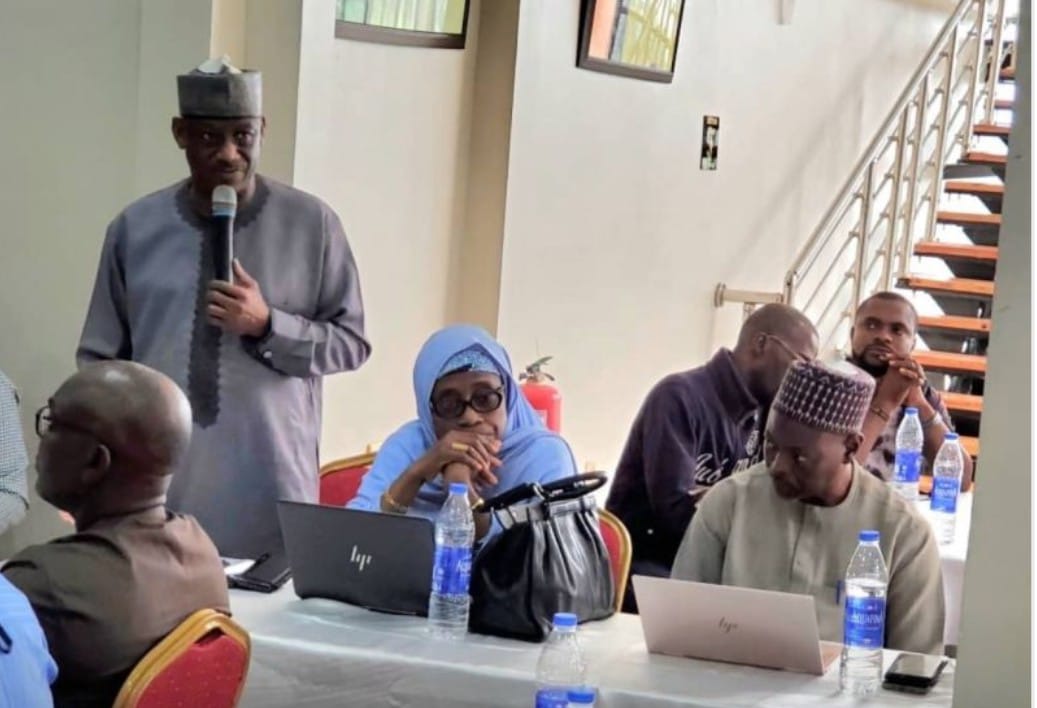
Managing Director and Chief Executive Officer (MD/CEO) of the Nigerian Independent System Operator (NISO) Engr Abdu Bello Mohammed on Tuesday, 26 August, 2025 led the agency’s management team on an official working visit to the Port Harcourt Regional Office.
A statement made available to newsmen in Abuja said the visit formed part of his ongoing nationwide engagement with staff across NISO’s regional offices, aimed at strengthening operational alignment, clarifying responsibilities under the new institutional framework, and fostering closer ties with field staff who form the backbone of NISO’s operations.
In his address, the MD described the session as “both timely and necessary,” coming shortly after the unbundling of the Transmission Company of Nigeria (TCN), which formally established NISO as a standalone entity.
He emphasised that the new phase brings both opportunities and responsibilities that require reorientation and collective commitment.
Engr Mohammed underscored several priorities for NISO staff in the new dispensation as follows:
Clarifying The SOP Structure
Staff were briefed on the new Standard Operating Procedures that delineate responsibilities across the National Control Centre (NCC), Regional Control Centres (RCCs), Area Control Centres (ACCs), and substations.
Defining Relationship With TCN
The MD explained that NISO no longer undertakes physical handling of transmission assets or field switching operations. Instead, its focus is now firmly on system coordination, operational planning, reliability oversight, and performance tracking.
Enforcing SLA Protocols
The MD highlighted the centrality of Service Level Agreements (SLAs), stressing that proper recordkeeping, performance tracking, and compliance enforcement are now core accountability metrics for NISO operators at every level.
Engaging Field Staff
The MD reaffirmed Management’s commitment to listening to staff experiences, addressing operational gaps, and ensuring that Regional Operations Managers (ROMs) continue to serve as the bridge between corporate strategy and execution at the regional level.
He reintroduced NISO’s compass for growth: transparency, professionalism, accountability, and excellence – values he urged staff to internalise in daily operations and strive to embrace change in mindset, culture, and standards, noting that “management can set the vision, but it is your professionalism and dedication that will bring this dream to life.”
He called for renewed commitment to building NISO into a world-class institution that will serve as a model for system operation excellence in Africa.
According to the statement, the Port Harcourt engagement is the latest in a series of regional visits that signal management’s resolve to build a one-team culture, where every staff member is fully aligned with the realities of post-TCN operations.
It provided a platform for staff feedback, operational clarification, and realignment with the organisation’s long-term strategic direction.