
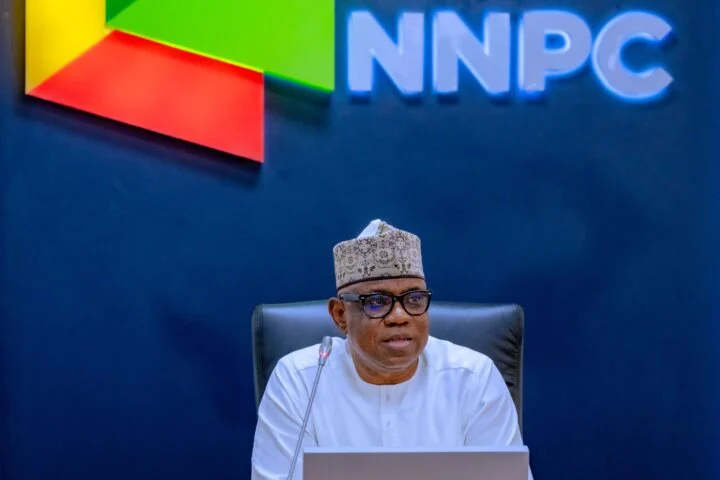
The Nigerian National Petroleum Company Limited (NNPCL) is targeting a stock exchange listing by 2028, as revealed by Group Chief Executive Officer, Bayo Ojulari. During the 9th OPEC International Seminar in Vienna, he stated that this initiative is part of the company’s strategy to transform into a competitive, profit-oriented energy entity.
Ojulari announced this timeline in a video on the company’s official X account on July 11, linking it to the reforms initiated by the Petroleum Industry Act (PIA), which he described as a pivotal legislative achievement that brings stability to Nigeria’s energy sector.
He noted, “We have a roadmap to be listed by 2028. The PIA has revitalised the energy industry, particularly in oil and gas, providing us with a framework to track our progress.”
Acknowledging the inherent challenges of implementing these reforms, he emphasised the importance of collaboration between industry stakeholders and regulators.
Additionally, Ojulari highlighted recent changes to NNPCL’s board, which now includes directors with private sector and international experience, aligning with President Bola Tinubu’s vision for enhancing the company’s efficiency and competitiveness.
The focus, he mentioned, is on fostering investor confidence through improved governance, transparency, and operational stability, with significant strides made towards creating a secure business atmosphere in Nigeria.
He also indicated that all strategic avenues, including partial privatisation, are under consideration to optimise the nation’s oil assets, with the final decision resting on ongoing internal reviews.
Chief Financial Officer Adedapo Segun previously stated that NNPCL is undergoing a restructuring to meet the expectations of a publicly listed company, enhancing corporate governance, processes, and fostering an environment conducive to an initial public offering (IPO).
Despite past unsuccessful IPO attempts in 2018 and 2023, experts believe that recent reforms and the company’s restructuring efforts could improve its chances this time, though concerns remain about delays in the 2024 audited financial statements and ongoing inefficiencies related to fuel subsidies and government involvement.