
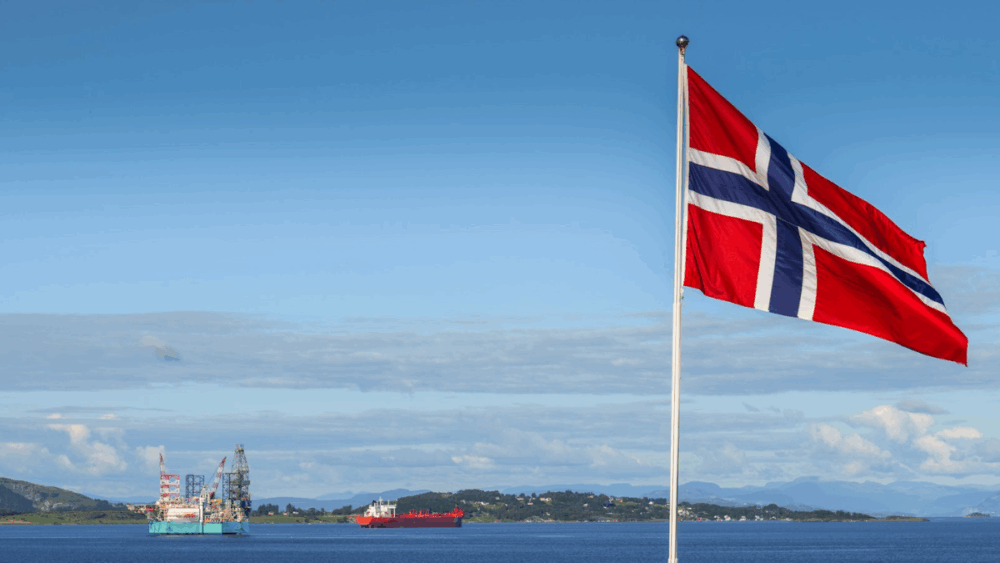
What made Norway one of the richest countries in the world is now raising doubts about its long-term future. The Scandinavian nation, with a population of just over five million, controls the world’s largest sovereign wealth fund valued at more than $2 trillion—an amount equal to about $340,000 for every citizen. The fund was built on decades of profits from oil and gas exports and has helped the country maintain stability and prosperity.
When oil was discovered in the North Sea in the 1960s, Norway quickly grew into one of the top energy exporters. The fund was created to safeguard this wealth, and its investments now account for about 1.5% of all listed shares worldwide. Last year alone, it gained over $220 billion in profits. The government uses only a small portion of the fund for the national budget, allowing the rest to grow steadily. This careful approach has supported low unemployment, free healthcare and education, generous parental leave, and one of the world’s most equal income systems.
However, concerns are rising that the wealth may be creating new problems. Many Norwegians enjoy short workweeks, long holidays, and high wages even in low-skilled jobs, but critics believe this has reduced productivity and ambition. Despite generous spending on education, student test scores in math, science, and reading have been falling for years and now sit below the OECD average. On average, workers in Norway take more sick leave than any other developed country, and household debt levels are among the highest in the world.
The economy is also facing difficulties in attracting skilled workers, especially in engineering, while some of the country’s wealth has been tied up in projects that ran over budget or failed to deliver. Observers argue that instead of encouraging innovation and entrepreneurship, the system rewards comfort and reliance on welfare. At the same time, some innovators and business leaders are leaving the country, saying the tax structure discourages growth and success.
Norway’s oil fund has been praised globally for its size and careful management, but at home, the conversation is changing. While the fund remains a financial safety net, more Norwegians now question whether relying so heavily on past wealth could weaken the country’s ability to build new sources of strength in the future.