
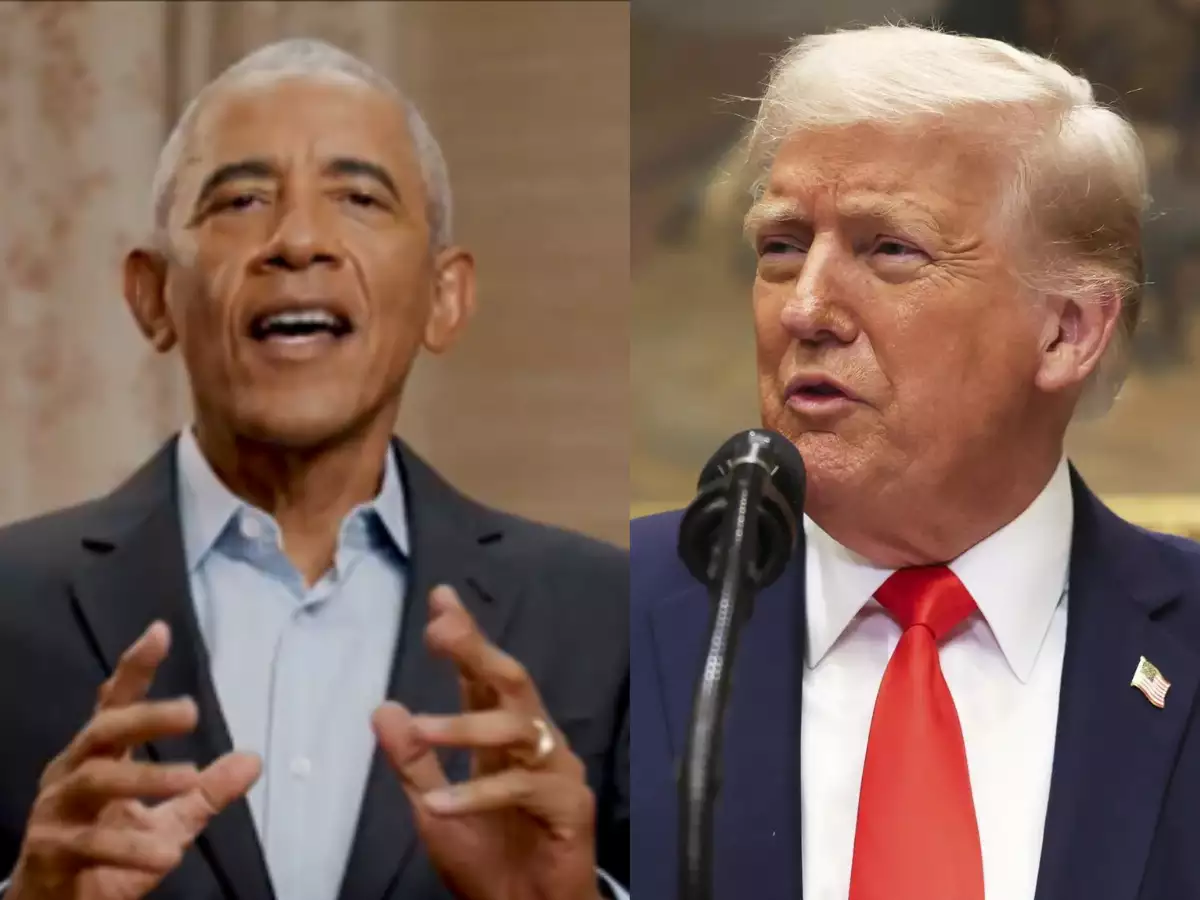
Former US President Barack Obama has weighed in on a growing dispute between Harvard University and Donald Trump, after the current president moved to block £1.5 billion in federal funding to the institution.
The move has triggered a fierce debate over academic independence, freedom of thought, and government power in the nation’s top universities.
The controversy began when Harvard declined to meet a series of demands set by the White House. These included changes to how the university selects staff and students, how it governs itself, and how it addresses issues tied to campus speech and discipline. The Trump administration argues that the university has failed to meet standards for civil rights and intellectual openness required for federal funding.
In a response shared online, Barack Obama expressed support for Harvard’s decision to push back. Without directly naming Trump, Obama praised the university for defending academic freedom and fostering an environment for debate and inquiry. He called on other institutions to do the same.
The White House’s letter to Harvard suggested the university report students considered “hostile” to American values, as well as foreign students involved in misconduct. This approach has raised concerns among educators and legal experts, who say it could open the door to political interference in higher education.
Harvard President Alan Garber strongly opposed the move, saying the federal government was attempting to control the university’s intellectual environment. While he acknowledged that some points raised by the administration relate to concerns about antisemitism, he argued that most of the demands overstep legal boundaries and pose a threat to free expression.
In reply, the US Department of Education criticized Harvard’s position, claiming the university has an “entitlement mindset” and refuses to take responsibility. It defended the decision to review hundreds of millions in research funding and grants, part of a wider effort by the Trump administration to reshape the relationship between government and universities.
Harvard, one of the world’s most renowned academic institutions, is not alone in this clash. Other universities may soon face similar scrutiny, especially those heavily dependent on federal funds for research. The standoff signals deeper tensions between political leadership and the academic world, with each side claiming to protect core American values.
As the situation unfolds, the outcome could shape how universities operate, who they serve, and how much freedom they have to govern themselves. With billions at stake and the 2024 presidential election approaching, the fight over campus autonomy may only grow louder.