
By Isaac Aqua
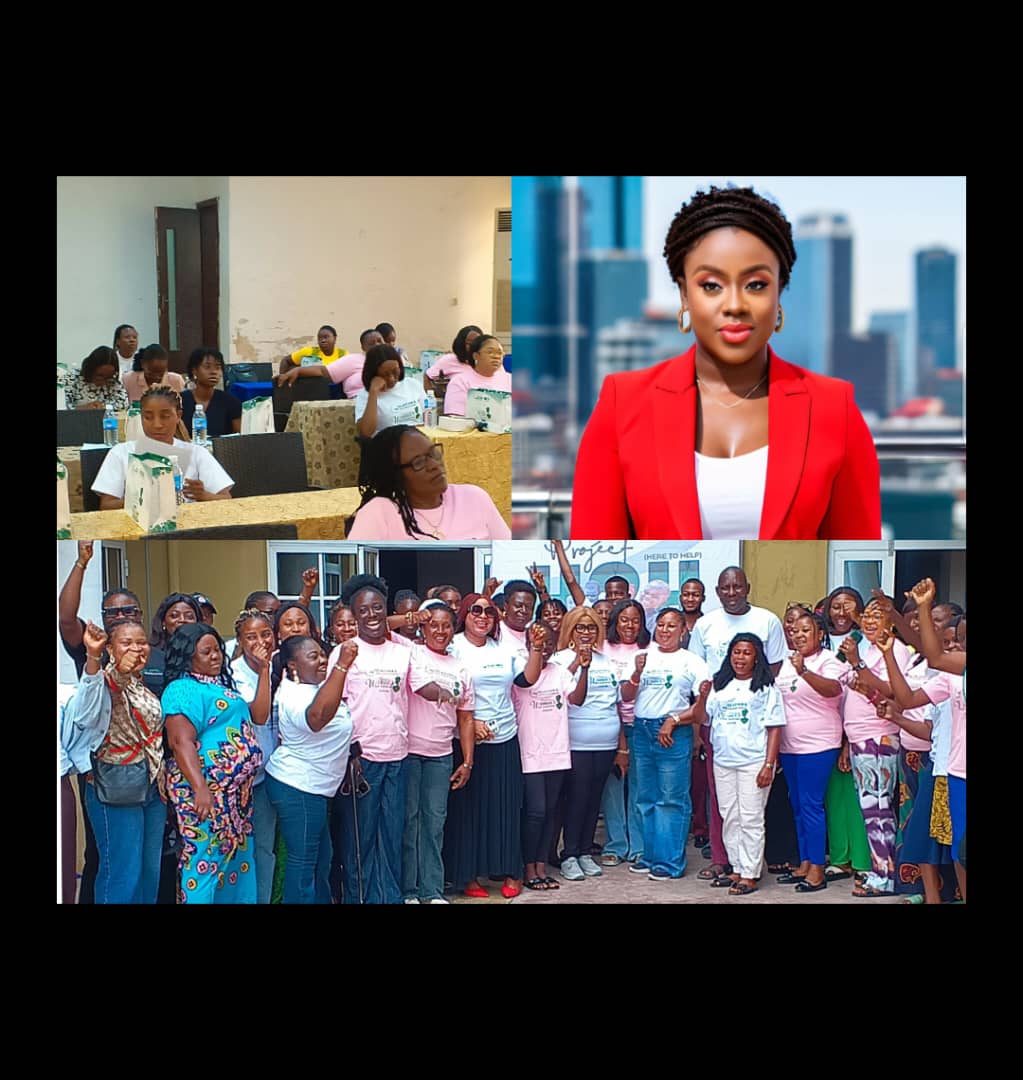
The conversation about the empowerment of women and girls in Cross River State gained renewed momentum in Calabar as advocates, professionals and policymakers gathered to witness the launch of the “Here to Help Project,” an initiative of the Olayinka Nicole Odewunmi Foundation aimed at strengthening support systems for vulnerable women and children. The event, held as part of activities marking the International Women’s Day celebration, also signalled the foundation’s formal entry into the state’s gender response landscape.
Beyond the ceremonial unveiling, the conference became a platform for reflection on the realities confronting women in Nigeria and the urgent need for collective action to address them. Speakers at the event examined issues ranging from personal development and financial independence to reproductive health awareness and cultural barriers that continue to limit opportunities for women and girls.
Representing the Cross River state government at the gathering, the Commissioner for Women Affairs, Hon. Edema Irom, reaffirmed the state’s commitment to partnerships that strengthen the protection and empowerment of women. The commissioner, who was represented by the Deputy Director in the ministry, Martina Odey, described the initiative as a significant intervention capable of reinforcing the structures that support women and girls.
According to her, the conference marked the beginning of a new partnership between the foundation and stakeholders in the state’s gender based violence response system. She explained that International Women’s Day provides an opportunity for governments, organisations and communities to renew their commitment toward protecting the rights and welfare of women and girls.
The commissioner commended the leadership of the foundation for choosing Cross River as the starting point for the programme and urged women leaders, professionals, entrepreneurs and young girls to take advantage of such platforms to contribute ideas that will promote gender equity and inclusive development.
She also reiterated the readiness of the Ministry of Women Affairs to collaborate with civil society organisations and development partners in creating an environment where women and girls can thrive socially, economically and professionally.
For the organisers, the launch represented more than an expansion of activities. It was also a tribute to the vision that inspired the foundation.
In her welcome remarks, the State Coordinator of the foundation, Gift Oghale, explained that the organisation was established to support vulnerable women, children and the girl child in realising their aspirations.
She disclosed that the foundation was inspired by the humanitarian ideals of the late development advocate, Miss Nicole Odewunmi, whose family decided to sustain her vision after her passing.
According to Oghale, the foundation has been operational for more than two years, with most of its early interventions concentrated in Lagos State before extending to other parts of the country.
She noted that the International Women’s Day celebration provided the opportunity to introduce the organisation’s programmes in Cross River State in collaboration with the Ministry of Women Affairs and other partners.
Central to the foundation’s intervention is the “Here to Help Initiative” which focuses on empowering girlw and women financially and mentally through capacity building programmes, mentorship and awareness campaigns.
Oghale explained that the project is designed to help girls and women recognise their value, build confidence and overcome social and cultural barriers that often limit their potential.
She added that the organisation’s engagements with women across different communities have revealed recurring challenges ranging from limited access to resources to deeply rooted stereotypes.
Despite these barriers, she observed that women continue to demonstrate remarkable resilience, a reality that further motivates the foundation to create opportunities that will strengthen their capacity to succeed.
The conference featured a series of lectures and panel sessions that addressed critical aspects of women’s development.
Delivering a keynote presentation titled Personal Development and Growth as a Nigerian Woman, professional counsellor and development expert, Ndifreke Ita, challenged women to pursue deliberate personal growth through education, skill acquisition and exposure to new ideas.
She described personal development as a continuous process of improving one’s mindset, knowledge and leadership capacity.
According to her, when women grow, families, communities and nations equally benefit.
Ita highlighted several realities confronting Nigerian women, including workplace bias, societal stereotypes, pressure for early marriage and the challenge of balancing career ambitions with family responsibilities.
She outlined five essential pillars for the growth of women. These include self awareness, continuous education, financial independence, emotional intelligence and purposeful contribution to society.
Financial literacy, she noted, remains a critical tool for empowerment. Women who understand savings, investment and multiple streams of income are better positioned to shape their future and support their families.
She also encouraged women to develop emotional resilience by building strong support systems, maintaining healthy boundaries and cultivating confidence.
Addressing young girls at the conference, she urged them to pursue education with determination and to reject the notion that gender limits ambition.
Another session explored the delicate balance between culture and progress.
In a presentation titled Navigating Cultural Norms While Advancing Women’s Progress in Nigeria, Lilian Abang emphasised the importance of inclusiveness, education and equal opportunities in enabling women and girls to achieve their full potential.
She commended the Cross River State government for legislative steps taken to address cultural and religious discrimination, particularly laws that protect widowhood rights, support female inheritance and outlaw underage marriage.
According to her, such policies represent meaningful progress toward creating a society where girls are allowed to grow, learn and aspire without restrictions imposed by tradition.
Abang also praised the foundation for its strong emphasis on child protection and its commitment to supporting vulnerable children as part of its development agenda.
Health education also featured prominently at the conference.
A medical professional, Rose Ugah, delivered a lecture on Sexual and Reproductive Health Care: Every Woman’s Role in Ensuring Healthy Living Among Women and Girls.
Her presentation emphasised that health goes beyond the absence of illness and includes physical, mental and social wellbeing.
She encouraged women to develop a deeper understanding of their bodies and reproductive systems, explaining that such knowledge empowers them to make informed health decisions.
Ugah highlighted HIV awareness and prevention as an important component of reproductive health education. She stressed that regular testing, consistent use of protective measures and public awareness campaigns remain key strategies for reducing infection rates.
She also called for a reduction in the stigma associated with HIV so that those affected can access treatment and support without discrimination.
The lecture further addressed cervical cancer and the role of the Human Papillomavirus vaccine in prevention.
According to her, vaccinating girls between the ages of nine and fourteen and encouraging routine screening can significantly reduce the risk of cervical cancer.
Breast cancer awareness also formed part of the discussion, with Ugah encouraging women to become familiar with their bodies and to conduct regular self examinations in addition to clinical screenings.
She concluded by emphasising that preventive healthcare and routine medical check ups remain the most effective approach to managing many health conditions.
Legal perspectives were also introduced during the discussions.
Barrister Maxwell Emoete advised intending couples to approach marriage with clarity and mutual understanding. He encouraged couples to establish clear boundaries and expectations before marriage and suggested the use of prenuptial agreements where necessary to protect personal interests and minimise conflicts.
According to him, such agreements help define responsibilities and prevent undue interference from external parties, particularly extended family members.
Participants at the conference described the gathering as both enlightening and empowering.
Many expressed hope that the foundation’s presence in Cross River State would lead to more sustained programmes focused on mentorship, health awareness and economic empowerment for women and girls.
As conversations continued long after the closing session, one message remained clear. When women are equipped with knowledge, opportunity and support, they become powerful drivers of social progress.
With the launch of the “Here to Help Project,” stakeholders believe a new chapter may be unfolding in Cross River’s ongoing effort to expand opportunities for women and girls across the state.