
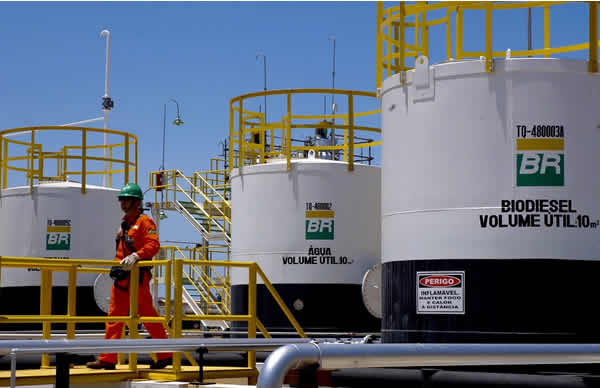
Brazil’s state-owned oil company, Petrobras, is preparing to return to Nigeria’s oil and gas industry, setting its sights on deepwater exploration blocks.
This renewed interest comes years after the company exited its previous stake in the Agbami field. The move signals growing momentum in Nigeria-Brazil energy relations ahead of high-level strategic talks scheduled for next year.
Petrobras’ renewed push was revealed during an interministerial meeting held at Nigeria’s Presidential Villa in Abuja on Wednesday. Vice President Kashim Shettima chaired the session as part of Nigeria’s preparations for the second Nigeria-Brazil Strategic Dialogue Mechanism (SDM), set for June 2025. The talks aim to boost cooperation across energy, trade, health, and culture.
During the meeting, Shettima acknowledged the underutilized potential in Nigeria’s relationship with Brazil but expressed optimism about turning the tide. He pointed to upcoming global events—such as the BRICS Summit, G20, and COP30—to be hosted by Brazil, as key moments for Nigeria to push its interests on the world stage.
Foreign Affairs Minister Yusuf Tuggar confirmed Petrobras is in active discussions with Nigerian officials. He noted that the company has expressed a strong desire to tap into new deepwater opportunities and will likely be part of Brazil’s delegation to Nigeria during the SDM. In addition to oil, Brazil is also exploring joint ventures with Nigeria in ethanol blending through the Nigerian National Petroleum Company Limited (NNPCL).
Nigeria’s Ministry of Foreign Affairs is leading the coordination of the strategic talks, with support from various ministries. At least 12 draft agreements covering energy, agriculture, healthcare, and cultural exchange are awaiting legal clearance.
Minister of Art, Culture, Tourism, and Creative Economy Hannatu Musawa highlighted the deep historical ties between both nations. She pointed to finalized cultural agreements, including audiovisual co-productions, joint exhibitions, and preparations for the 50th anniversary of FESTAC—Africa’s renowned cultural festival.
On the agricultural front, Minister Abubakar Kyari announced that Nigeria and Brazil have completed deals to collaborate on soybean and cassava research, technology exchange, and sustainable farming models. These agreements build upon the Green Imperative Project, a long-term partnership between the two nations aimed at modernizing Nigeria’s agriculture sector.
Health Minister Mohammed Pate also joined the dialogue, stating that Brazil’s success in achieving broad health coverage offers a blueprint for Nigeria. He mentioned areas for collaboration, including local pharmaceutical production, disease research, and training health workers—especially in managing tropical diseases that affect both countries.
Petrobras’ comeback signals a potential boost to Nigeria’s oil sector at a time when the country is seeking fresh investment. Deepwater fields remain among Nigeria’s most promising energy assets, and Petrobras’ interest adds weight to growing foreign attention. If talks succeed, both nations could be on track to build a more robust economic and diplomatic partnership—leveraging shared goals, complementary strengths, and a long-standing cultural bond.