
In Manila’s crowded Baseco compound, life is tough for thousands of families living in makeshift homes by the bay.
Among them is 14-year-old Clara, six months pregnant and already carrying responsibilities far beyond her age.
She dreams of her unborn son growing up stronger than she feels she could. Clara says she never received proper lessons about reproductive health at school.
She believes if she had learned more about contraception and consent, she might not be facing motherhood so early.
Her story echoes the experiences of many other young girls in the Philippines who are becoming mothers before finishing their education.
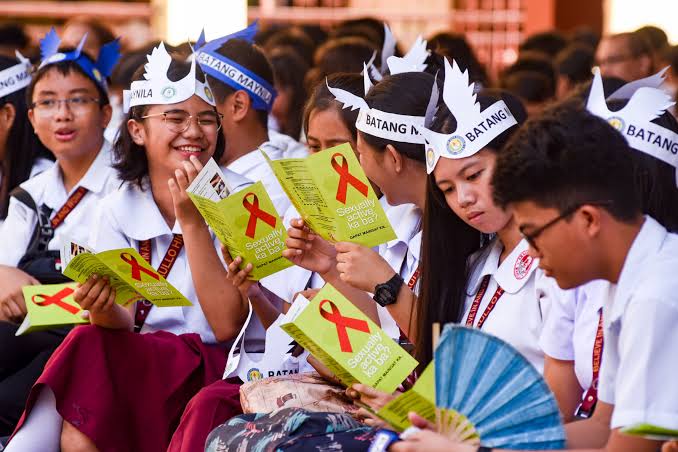
Health workers and teachers warn that most teenagers know little about their own bodies, how pregnancy happens, or how to protect themselves from abuse.
Doctors at Manila’s public hospitals see more girls under 18 giving birth each year, many of them without prenatal care. Both mothers and babies face increased health risks when pregnancies happen this young.
The Philippines has one of the highest rates of child and teen pregnancies in Asia.
While pregnancies among older teens have fallen in recent years, the number of very young mothers — those aged 14 and under — has sharply risen. In 2023 alone, more than 3,300 girls in this age group became pregnant.
Lawmakers have described the trend as a “national social emergency.” An Adolescent Pregnancy Prevention Bill was first introduced in 2022, aiming to bring comprehensive sex education into schools and expand access to contraception.
But progress has stalled, with strong resistance from religious groups in this deeply Catholic country.
For girls like Clara, Jude, and Gloria — who became mothers before adulthood — the debate is more than politics. It’s about their health, their futures, and the childhoods they never had the chance to finish.