
Voters in the Philippines have cast their ballots in crucial midterm elections, but as the campaign dust settles, the real political drama is just beginning.
The long-standing rivalry between two of the country’s most powerful dynasties—the Marcoses and the Dutertes—is now moving into a new, more dangerous phase.
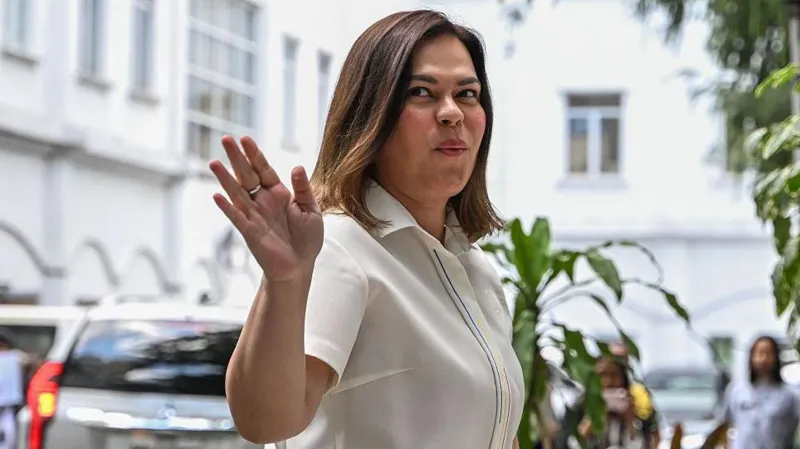
President Ferdinand “Bongbong” Marcos Jr. and Vice-President Sara Duterte, once allies in a winning 2022 campaign, have now turned against each other in a very public and personal feud. What began as political tension has spiraled into mutual accusations of violence and incompetence, laying bare the fierce struggle for control behind the scenes.
The election results suggest Marcos may be losing ground. While Philippine presidents usually dominate midterm polls, only half of the 12 newly elected senators are aligned with him. Even among those, one is also backed by Sara Duterte, signaling shifting loyalties. Meanwhile, Duterte allies—including Marcos’s own sister, Imee—performed strongly, with two of them among the top three vote-getters.
These outcomes matter because they directly affect the president’s ability to push through the impeachment of his vice-president. Removing Sara Duterte from office would block her from running in the next presidential race and remove a major threat to the Marcos political stronghold. But with the Senate split, Marcos may not have the votes needed to make it happen.
The collapse in their partnership became clear earlier this year when pro-Marcos lawmakers began impeachment proceedings against Duterte. Tensions escalated when Marcos referred her father, former President Rodrigo Duterte, to the International Criminal Court over alleged human rights violations during his war on drugs. Criminal charges have since been filed against her as well.
What’s at stake is more than just two political careers. Both families have deep roots in Philippine politics. The Marcos family has dominated the north of the country for decades. The president’s father ruled with an iron fist during the martial law years, and his relatives continue to hold top offices—from provincial governors to national legislators.
The Dutertes, meanwhile, rule in the south. Davao City has been their base for nearly four decades. Even while in detention in The Hague for international charges, Rodrigo Duterte managed to win the city’s mayoral seat again, with a cardboard cutout standing in for him at campaign events. His son Sebastian will now serve as vice-mayor, continuing the family grip on the region.
In both camps, power is passed along family lines. This election was not just about senators; it was a test of whether these dynasties can hold their ground and expand their influence. Marcos’s cousin remains speaker of the house, and his son is seen as a rising star. For the Dutertes, Sara remains the leading presidential hopeful for 2028—unless impeachment derails her.
But there’s a twist. Many of the new senators have their own dynastic ties or public followings. Some come from wealthy political families, others from showbiz. Their loyalty can shift depending on what benefits their personal careers. That makes the Senate unpredictable, and the path to impeachment more uncertain.
This sets the stage for a high-stakes standoff. With three years left in the Marcos presidency, both families are maneuvering to shape the next election. Political alliances will be tested, backroom deals made, and public opinion closely watched. The game of thrones in the Philippines isn’t just continuing—it’s heating up.