
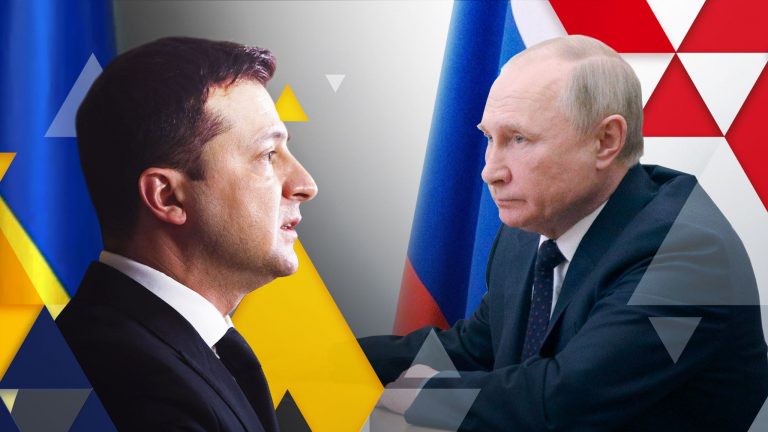
Russian President Vladimir Putin has announced a brief ceasefire in Ukraine to coincide with the Easter holiday, ordering a halt to military activity from Saturday evening until midnight on Sunday.
The pause is framed as a humanitarian gesture during one of the most important Christian holidays.
The decision comes amid growing international pressure, including efforts from U.S. President Donald Trump, who has been pushing for both Russia and Ukraine to step back from active combat. While Trump’s efforts have not led to concrete concessions from Moscow, Putin’s announcement signals a temporary willingness to ease the conflict, at least symbolically.
Speaking during a televised meeting with top military officials, Putin instructed Russian forces to stop all offensive operations for the 33-hour period. He noted, however, that troops must remain prepared to respond if Ukrainian forces violate the ceasefire or launch attacks during the truce.
Putin’s comments also referenced claims that Ukraine has repeatedly targeted Russian energy infrastructure, breaching informal understandings not to hit such facilities. On Friday, Russia lifted a moratorium on striking Ukrainian energy systems, citing alleged violations by Kyiv.
The Easter truce is also intended, Putin said, to test Ukraine’s commitment to peace talks. He suggested that Ukraine’s response would indicate whether it is genuinely interested in de-escalation or simply using diplomacy as a tactic.
This is not the first time a ceasefire has been proposed for religious holidays. Earlier efforts in 2022 and 2023 failed to take hold, with both sides accusing each other of insincerity and sabotage.
With the new ceasefire now in effect, the international community will be watching closely to see whether the truce holds and whether it can serve as a step toward broader negotiations.