
Russia’s move to send a lower-ranking team to peace talks with Ukraine in Turkey on Friday has sparked backlash from NATO leadership and raised doubts about the Kremlin’s commitment to ending the war.
The meeting, held in Istanbul, marks the first direct negotiation between the two countries in three years, but the lack of high-level participation from Russia has cast a shadow over the process.
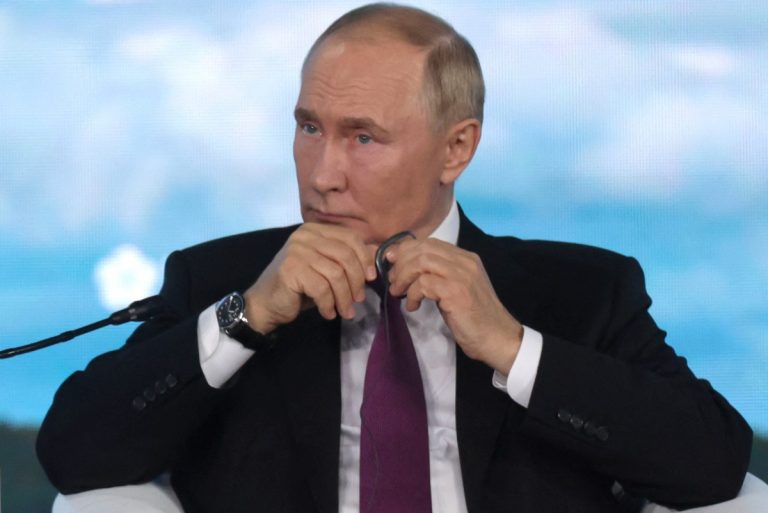
The talks were initiated after Russia expressed interest in restarting dialogue, but when Ukrainian President Volodymyr Zelensky proposed a leader-to-leader meeting, Russian President Vladimir Putin declined. Instead, Moscow sent Vladimir Medinsky, a political advisor with a reputation for taking hardline views on Ukraine’s sovereignty. Ukraine, in contrast, chose its defense minister Rustem Umerov to lead its delegation, signaling its willingness to engage in serious discussions.
The timing of the talks coincides with a large gathering of European leaders in Albania, where NATO officials and EU member states met to discuss broader support for Ukraine. The difference in the level of representation between the two delegations did not go unnoticed, especially as Europe seeks to present a united front in response to the ongoing conflict.
International leaders viewed the makeup of Russia’s delegation as a missed opportunity to make real progress. Sending a team without senior leadership was seen as a step back, particularly after months of escalating violence and humanitarian suffering in Ukraine. Ukraine’s delegation included experienced officials and negotiators prepared for detailed conversations, but with Medinsky leading the Russian side, expectations quickly cooled.
The talks come at a critical time in the war, which began with Russia’s invasion of Ukraine in February 2022. Over two years later, the conflict has left thousands dead and millions displaced. Ukraine continues to demand a full withdrawal of Russian troops and the return of all occupied territories, including Crimea, annexed by Russia in 2014.
The reaction from NATO was swift. Officials expressed concern that Russia’s approach may be a delaying tactic or a sign of weakness. Observers in Istanbul noted that without top-level engagement, it would be difficult to reach any meaningful agreements or build trust between the two sides.
While the meeting did open a line of communication, the overall tone suggested that a long road still lies ahead. The presence of lower-level negotiators on the Russian side was viewed by many as a sign that Moscow may not be ready for a real peace deal. For now, the future of the talks remains uncertain, as does the path to ending the conflict.