
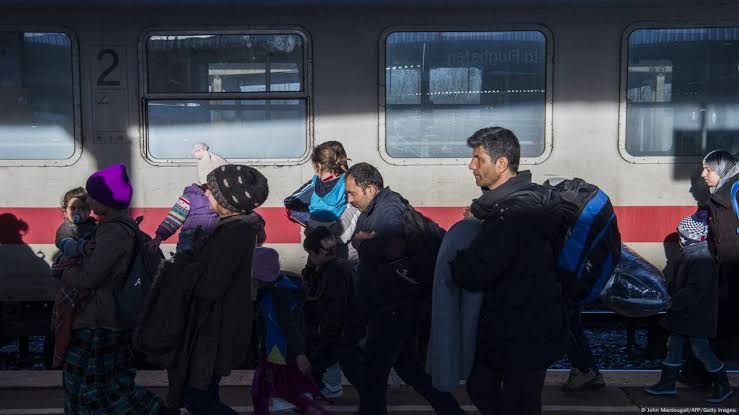
A study published Wednesday by the German Institute for Economic Research (DIW Berlin) shows that refugees in Germany are increasingly worried about xenophobia.
Between 2019 and 2023, the share of respondents expressing concern about discrimination rose from around one-third to more than half.
The survey, conducted annually from 2017 to 2023, focused on people who applied for asylum or temporary protection between 2013 and September 2022.
Only 65% of respondents said they felt welcome in Germany in 2023, down from 84% in 2017 and 78% in 2020.
Many refugees reported discrimination linked to ethnicity, language, or names, particularly when looking for housing (32%), applying for jobs (18%), or at work (14%).
Respondents in eastern Germany reported higher levels of discrimination than those in the west, with refugee men in the east facing the greatest obstacles.
Despite these challenges, most refugees remain committed to becoming German citizens. Between 2013 and 2019, 98% said they had applied for citizenship, completed naturalization, or intended to do so.
The share of naturalized refugees rose from 2.1% in 2021 to 7.5% in 2023, while pending applications now exceed 25%.
Syrian refugees lead the process, with 13.1% naturalized and 29.4% having applied by 2023. Nearly 88% of newly naturalized refugees retain dual nationality.
The recent increase in naturalizations is expected to accelerate due to Germany’s new citizenship law, effective mid-2024, which shortened the required residency period from eight to five years.
The study comes amid growing support for the far-right, anti-immigration party Alternative for Germany (AfD), which achieved over 20% of the vote in the February national election.
hancellor Friedrich Merz has pledged stricter measures against irregular immigration as part of the new government’s agenda.