
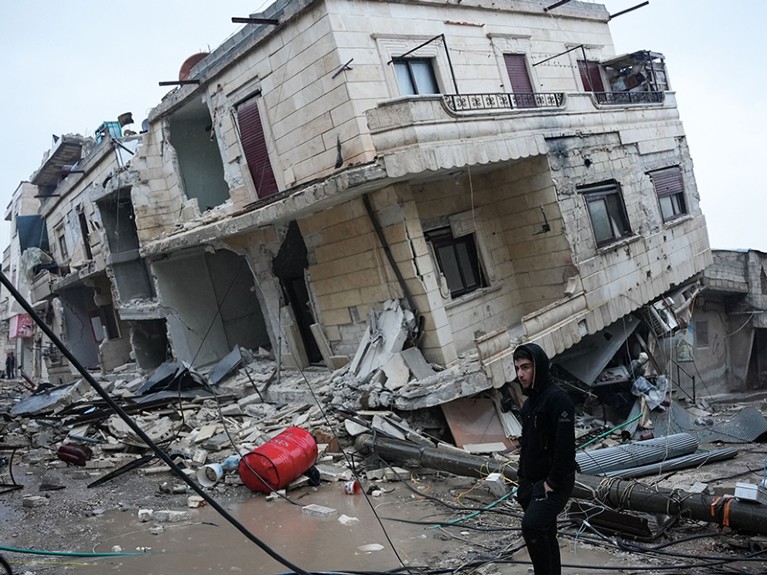
A powerful earthquake struck near the Greek island of Rhodes early Tuesday morning, shaking parts of western Turkey and southern Greece and waking tourists as buildings swayed violently.
The tremor, measured at 5.8 magnitude, was centered about 29 kilometers north of Rhodes and hit just after 2:00am local time at a depth of 68 kilometers.
The shock was felt across the Aegean region, including parts of coastal Turkey and several Greek islands. Tourists and locals alike reported being suddenly roused from sleep as hotels and homes trembled from the force of the quake.
In Turkey, the quake had tragic consequences. A 14-year-old child died in the resort town of Fethiye after being taken to hospital, according to Interior Minister Ali Yerlikaya. Dozens more were injured, many reportedly hurt while attempting to flee their buildings in panic. In Mugla province, hospitals treated residents who sustained injuries during the rush to escape their homes.
Authorities in Marmaris, a popular Turkish resort town, confirmed that emergency teams were dispatched to assess damage and assist residents. Although initial reports did not mention widespread structural damage, the fear caused by the quake led to many injuries linked to panic and falls.
On the Greek side, the quake was deeply felt on Rhodes and neighboring islands. Tourists described the moment the earthquake struck as terrifying and surreal. Several shared experiences of waking up to their hotels swaying. While no serious injuries were reported in Greece, the incident caused widespread alarm, especially among holidaymakers unfamiliar with such tremors.
TUI, a major travel agency, advised British tourists currently in the region to stay calm and follow any safety advice issued by hotel staff or local authorities. The agency said it is monitoring the situation closely and will provide updates to its customers if needed.
Following the main earthquake, multiple aftershocks occurred — some reaching up to 2.9 in magnitude — with epicenters near both Mugla and Rhodes. These aftershocks added to the sense of unease among residents and visitors.
Turkey sits on two major fault lines, making it one of the most seismically active countries in the world. Last year, a massive 7.8-magnitude earthquake devastated large parts of southern Turkey and northern Syria, killing tens of thousands and flattening entire towns. The country has continued to experience significant quakes since, including a 6.2-magnitude tremor in Istanbul in April that led to widespread panic and hundreds of injuries as people jumped from buildings.
Greece has also faced frequent seismic activity. Just last month, a 6.1-magnitude quake off the coast of Crete led to the closure of popular tourist sites and warnings of possible tsunamis, although it caused no major damage.
Authorities across both countries have reminded the public to remain alert, be cautious of aftershocks, and follow official guidelines in the event of further seismic activity. As the region continues to feel tremors, the focus now shifts to ensuring safety and supporting those affected.