
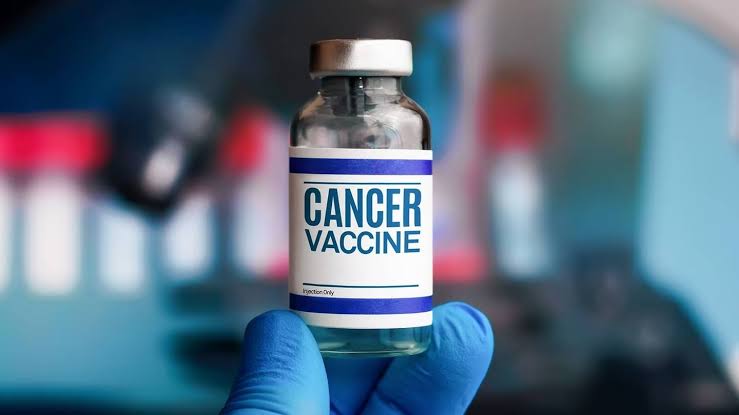
Russia plans to begin offering a personalized cancer vaccine to patients at no cost in early 2025.
According to state sources, individualised doses will be crafted using each patient’s own tumor genetics. This marks the first time such a treatment may be widely accessible to citizens.
The vaccine is built on mRNA technology, with artificial intelligence guiding the design.
This approach enables each dose to be tailored to trigger a patient’s immune system, encouraging it to find and destroy cancer cells.
Its development reportedly began in mid–2022, and preclinical experiments have shown success in reducing tumor growth and stopping metastasis in animals.
Officials say once tumor data is analyzed, a complete vaccine can be manufactured in about a week using AI tools.
Initial plans focus on treating melanoma patients at research facilities in Moscow: the Hertsen Research Institute and the Blokhin Cancer Center.
The Gamaleya National Research Center is responsible for vaccine production under a special regulatory process created this year by Russia’s health ministry.
While melanoma is the first target, developers intend to expand the treatment to cancers such as pancreatic, kidney, and non‑small‑cell lung cancer—conditions often hard to treat successfully.
The rollout is expected under a new regulatory pathway separate from traditional drug approval, enabling faster access to patients.
The government has pledged that Russian cancer patients will receive the vaccine free of charge, with production costs estimated at around 300,000 rubles (approximately USD 2,900) per dose.
Globally, responses have been cautious. Medical experts note that cancer vaccines must be highly specific, and prior attempts worldwide have often failed to achieve broad success.
Given the complexity of cancer biology and limited public data from the Russian trials, many in the medical community await peer‑reviewed results before drawing conclusions.