
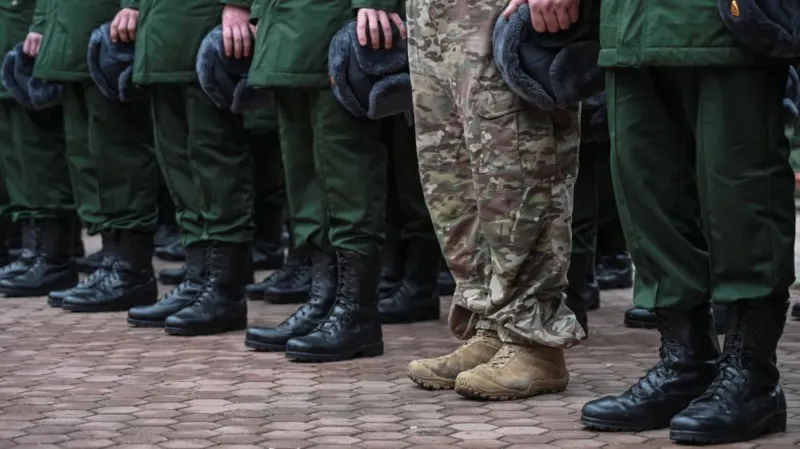
Russia has begun its biggest military call-up in years, drafting 160,000 men between the ages of 18 and 30 for a year of service.
This marks the highest number of conscripts since 2011 and follows President Vladimir Putin’s plan to expand the Russian military.
The move is part of a broader effort to grow the armed forces, with Putin previously announcing a goal of increasing active personnel to 1.5 million within three years. Despite assurances that conscripts will not be sent to Ukraine, reports indicate that some have already been involved in combat, particularly in Russian border areas.
The draft will take place between April and July, coinciding with ongoing violence in Ukraine. On Tuesday, a Russian attack on a power facility in Kherson left 45,000 people without electricity, while Moscow claimed to have seized another Ukrainian village in Donetsk.
Russia has traditionally held two drafts each year, but this latest one is larger than the previous year’s. The government has also expanded the eligibility pool by raising the maximum draft age from 27 to 30. Conscription notices are being delivered both by mail and through the government’s online portal.
Beyond the draft, Russia has been recruiting contract soldiers and has reportedly brought in thousands of North Korean troops to fill gaps left by battlefield losses. Independent reports suggest that more than 100,000 Russian soldiers have been killed in Ukraine, with the real number potentially much higher.
Since the full-scale invasion of Ukraine in 2022, Putin has increased the size of the military three times. The Russian defense ministry has cited NATO’s expansion as a justification for its growing forces. Finland and Sweden joined the alliance in response to Russia’s aggression, with Finland now sharing NATO’s longest border with Russia.
As tensions escalate, Finland has announced plans to withdraw from the Ottawa Convention banning anti-personnel mines, following similar moves by Poland and the Baltic states. The Finnish government also plans to boost defense spending to 3% of GDP, signaling further military preparations in response to the threat from Russia.