
In East Africa, Rwanda is moving forward with a large-scale plan to improve reproductive health.
Once known for high birth rates and limited family planning services, the country now stands out for its rapid growth in contraceptive use.
Since 2005, Rwanda has worked with global partners to make family planning a major part of its national development goals.
This long-term effort has helped modern contraceptive use among married women rise from just 10% in 2005 to over 58% by 2024.
One of the key drivers behind this success is the use of community health workers.
More than 60,000 of them have been trained and placed across the country.
They bring services like pills, implants, and injectables directly to households. This outreach has helped more women in rural areas access reproductive care without traveling far.
In recent years, changes in public messaging have also helped. Public campaigns on radio and in local gatherings have made family planning more common in everyday conversations, especially among younger people and men. More women now choose when to have children, which supports their education and work plans.
The health system has also focused on young people. New services are available in clinics that welcome teens and single women.
In cities, digital tools like mobile reminders and online chats make it easier for users to stay on track.
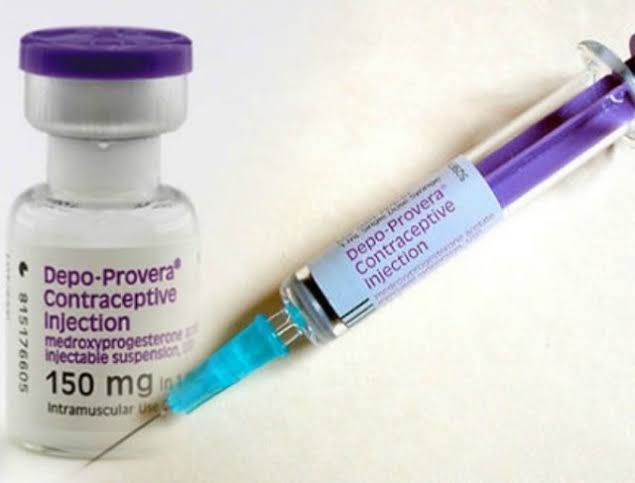
In 2023, Rwanda began offering self-injectable contraceptives, giving women more control over when and how they manage their health.
Early results show positive feedback and better follow-up.Challenges still exist.
Rural areas face supply shortages, and some communities hold back due to cultural views. However, Rwanda’s progress shows how a focused approach can create better health options.
With one of the fastest-growing populations in Africa, Rwanda sees family planning as part of its future goals. Its experience could guide other countries looking to make similar progress in reproductive care.