
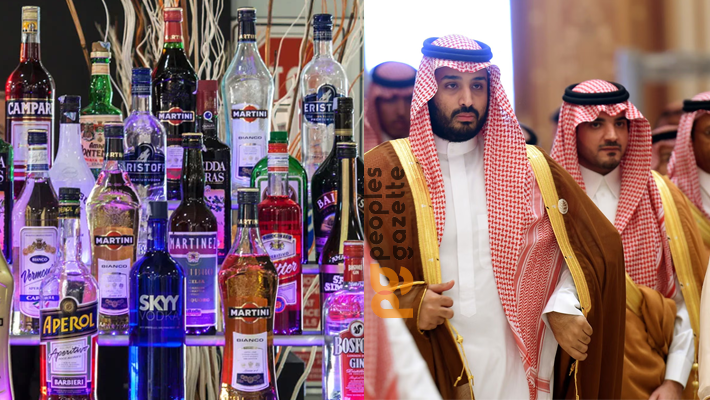
Saudi Arabia is preparing to allow the sale of alcohol at select tourist destinations by 2026 as part of its wider efforts to attract international visitors ahead of the 2034 FIFA World Cup.
This move would mark a dramatic shift for a nation long known for its strict ban on alcohol, rooted in religious and cultural traditions.
The plan involves legalising alcohol at around 600 designated tourist locations, primarily targeting high-end venues like luxury hotels and resorts. The change is intended to make the country more appealing to global travellers and compete more effectively with nearby destinations such as the United Arab Emirates and Bahrain, where regulated alcohol sales are already permitted in tourist areas.
This step is part of a broader transformation under Crown Prince Mohammed bin Salman’s Vision 2030 agenda. Over the past few years, Saudi Arabia has loosened several social restrictions, such as allowing women to drive, reopening cinemas, and promoting entertainment events including international concerts and sporting tournaments. These reforms are designed to diversify the economy away from oil and present a modern image to the world.
Tourism is a central focus of this push. As the kingdom gears up to welcome millions of visitors for the World Cup and beyond, offering limited access to alcohol is seen as a practical necessity to meet international expectations, especially among Western tourists.
While this decision would be one of the most controversial changes yet, reports suggest that the policy will apply only to licensed venues and will not extend to the general public. Rules around consumption are expected to remain strict, with clear limits and controls in place to prevent misuse.
So far, there has been no formal government announcement detailing the exact timeline or legal framework, but preparations appear to be underway. The move is likely to spark debate both inside and outside the country, as it challenges long-standing norms and religious practices in one of Islam’s most influential nations.
As Saudi Arabia balances its identity with its ambitions, the introduction of alcohol at tourist spots signals a willingness to adapt selectively to global standards—especially when global events like the World Cup are on the horizon.