
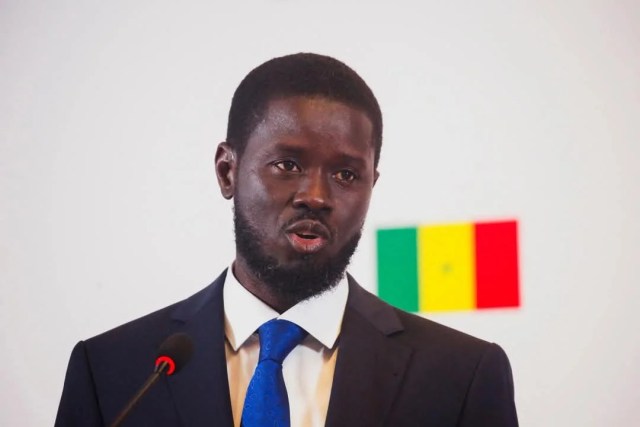
Senegal has taken a major step toward reclaiming its full military independence by assuming control of a key French military base in the capital, Dakar.
The Contre-Amiral Protet base, located within the city’s port area, was officially handed over by French forces on 15 May, marking the latest in a series of withdrawals agreed between the two countries.
This move follows the earlier transfers of the Maréchal and Saint-Exupéry bases in March. France has committed to handing back all remaining military facilities in Senegal by the end of September 2025, signaling the end of a long-standing military presence that dates back to colonial times.
The handovers reflect President Bassirou Diomaye Faye’s campaign promise to reduce foreign military influence. Elected in March 2024, the 45-year-old leader ran on a Pan-Africanist platform that emphasized national sovereignty and a break from neo-colonial relationships. His position was reinforced during a speech on the anniversary of a dark chapter in Franco-Senegalese history — the 1944 massacre of hundreds of African soldiers by French troops, after they demanded pay for fighting in World War II.
While the French withdrawal marks a symbolic victory for Senegal’s push for autonomy, both countries have stated their desire to continue working together. A joint commission supervised the transfer of the bases, and talks are ongoing to build a new defense framework based on mutual interests. The possibility of continued cooperation, albeit on a more equal footing, remains open.
This move places Senegal alongside a growing number of African countries distancing themselves from former colonial powers. Burkina Faso, Mali, and Niger have already expelled French troops after changing leadership through military takeovers. These nations, now part of the Alliance of Sahel States, have aligned themselves against foreign interference and in favor of African-led governance.
Even Côte d’Ivoire, long seen as a French ally, announced its own troop withdrawal earlier this year. The rising momentum of these actions is fueling conversations about a new wave of Pan-African unity. For many citizens across the continent, the departure of French forces is not just about military logistics — it’s about dignity, self-determination, and a long-awaited break from colonial shadows.
Senegal’s move may inspire similar decisions in other parts of Africa, as the continent’s leaders and citizens continue to debate how best to chart their own future on their own terms.