
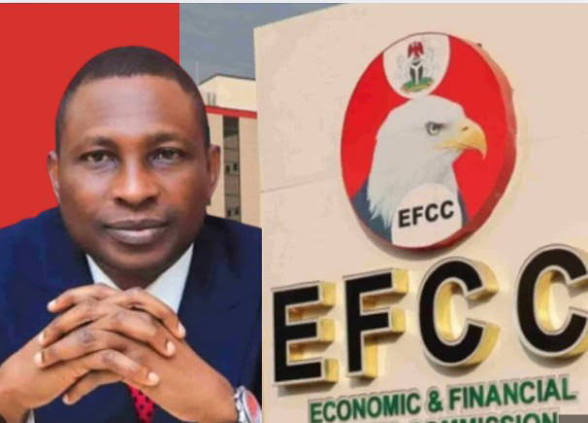
The Chairman of the Economic and Financial Crimes Commission (EFCC), Ola Olukoyede, has disclosed that certain governorship aspirants in Nigeria spent between ₦20 billion and ₦30 billion during the last round of party primaries, warning that such excessive spending threatens democratic governance and encourages corruption.
Olukoyede made the disclosure on Wednesday while delivering the inaugural High-Level Guest Speakers’ Series organised by the Centre for Peace and Strategic Studies at the University of Ilorin. Speaking on the theme, “De-risking and Mobilising Critical Stakeholders for Peaceful and Credible 2027 Elections in Nigeria,” he argued that the enormous financial demands of elections often drive elected officials to divert public funds in an effort to recover their investments.
According to him, the commercialisation of the electoral process weakens good governance because politicians who spend huge sums to secure office may prioritise recouping their expenses instead of serving the public.
The EFCC chairman said the commission has intensified efforts against vote-buying and other forms of electoral corruption, revealing that several arrests have been made across the country and convictions secured. Those prosecuted, he noted, include politicians, electoral officials, and private citizens involved in electoral offences.
He stressed that there should be no sacred cows in enforcing electoral laws, warning that impunity during elections could undermine democracy and threaten national stability.
Olukoyede also announced plans by the EFCC to deploy drones and other technological tools to improve election monitoring ahead of the 2027 general elections, particularly to detect vote-buying and financial inducements at polling units.
He urged political parties and their supporters to focus on issue-based campaigns while avoiding inflammatory statements capable of inciting violence. He further called on the Independent National Electoral Commission (INEC), security agencies, civil society organisations, the media, and other stakeholders to collaborate in ensuring peaceful, free, and credible elections.
Earlier, the Vice-Chancellor of the University of Ilorin, Professor Wahab Egbewole (SAN), described electoral corruption as a major threat to national security and democratic development, stressing that credible elections are essential for stability, economic growth, and public confidence in governance.
The Director of the Centre for Peace and Strategic Studies, Professor G.A. Animasawun, explained that the lecture series was created to encourage proactive discussions on safeguarding Nigeria’s electoral process ahead of the 2027 polls through collaboration among policymakers, security experts, electoral officials, civil society groups, and academics.