
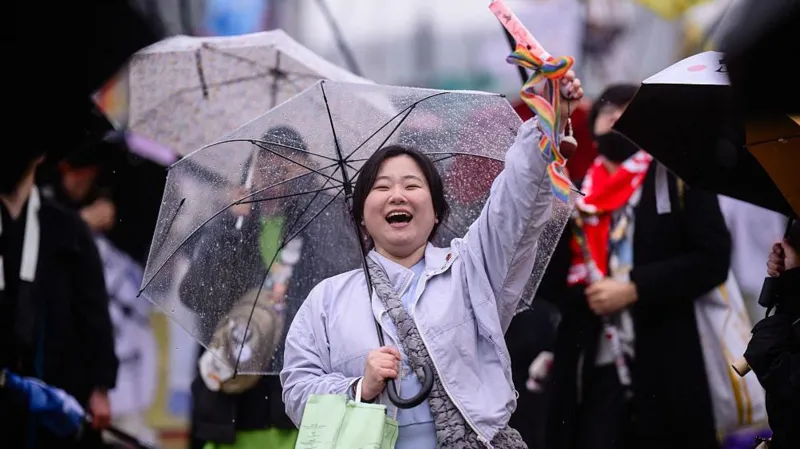
South Korea will head to the polls on June 3 to elect a new president following the impeachment and removal of Yoon Suk Yeol, whose controversial declaration of martial law threw the country into months of political chaos.
The date was confirmed on Tuesday by acting president Han Duck-soo, who urged the nation to move past its recent turmoil and focus on rebuilding trust and unity.
The announcement comes just days after the country’s constitutional court upheld Yoon’s impeachment, which had been approved by parliament in December. Yoon’s presidency came to an abrupt end after he invoked martial law, claiming threats from North Korea and “anti-state forces.” However, investigations later suggested the decision was more closely linked to internal political conflicts than any real external danger.
Yoon now faces separate criminal charges for insurrection, deepening the fallout from his failed presidency. His time in office, marked by stubbornness and a fiery temper, has left South Korea deeply divided. While many citizens celebrated his impeachment and took to the streets demanding change, his base of supporters has grown more vocal and radical.
In a public statement, acting president Han apologized to the nation for the instability of the past few months and acknowledged the harm caused by the sudden leadership vacuum. He stressed the importance of restoring stability and preparing for a new chapter in the country’s leadership.
The race to replace Yoon is already taking shape, with several familiar names stepping forward. Labour minister Kim Moon-soo resigned from his post on Tuesday to begin his campaign. Ahn Cheol-soo, a veteran lawmaker and three-time presidential candidate, is also joining the contest under the ruling People Power Party.
Leading the field for now is opposition leader Lee Jae-myung, who narrowly lost to Yoon in the 2022 election. According to a recent Gallup poll, Lee currently holds 34% public support, making him the frontrunner as the campaign period begins.
The upcoming vote will not only determine the country’s next leader but also serve as a referendum on the direction of South Korea’s democracy. The impeachment has sparked wider debates about the limits of presidential power, political accountability, and the resilience of the nation’s institutions.
Beyond politics, South Korea is facing economic uncertainty, with new tariffs announced by US President Donald Trump threatening key exports. A 25% tariff on South Korean goods bound for the US has raised concern among business leaders and policymakers, who are now seeking negotiations with Washington to soften the blow.
With the nation at a crossroads, the upcoming election is expected to shape not only South Korea’s domestic future but also its place on the international stage. The next president will inherit a country still healing from political strife and bracing for new challenges ahead.