
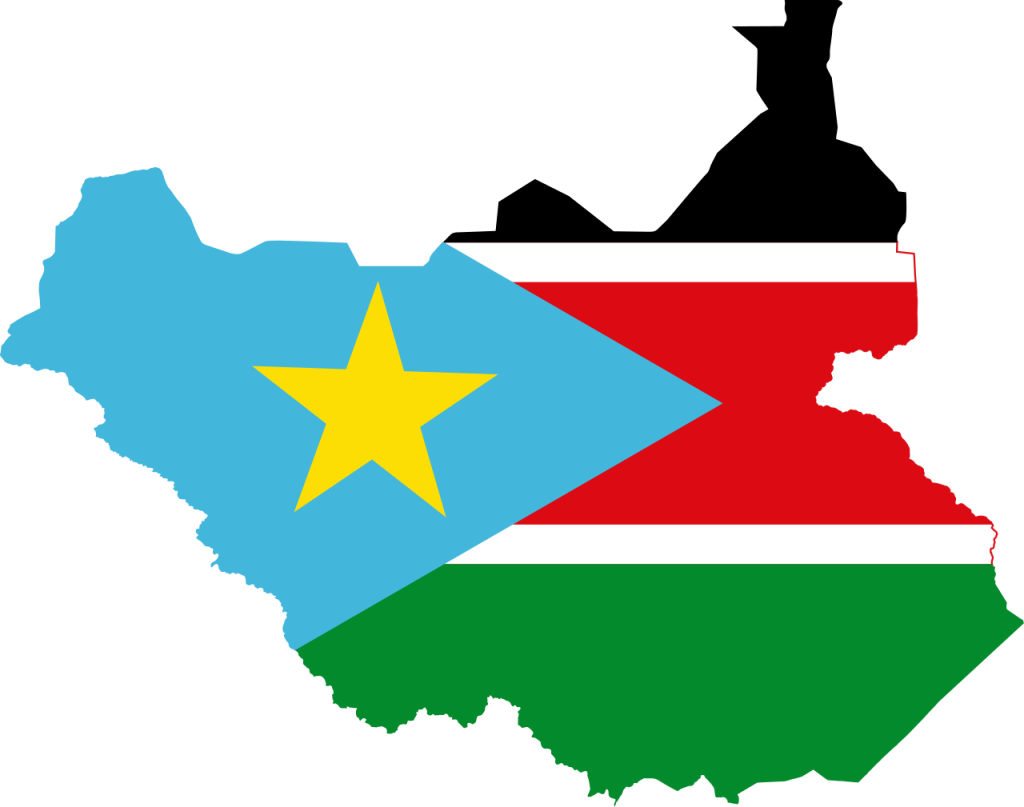
Tensions are escalating between South Sudan and Sudan as officials in Juba scrutinize the motivations behind the Sudanese Armed Forces (SAF)-backed Port Sudan Authority’s decision to suspend South Sudan’s oil exports.
While the Port Sudan Authority attributes the halt to attacks by the Rapid Support Forces (RSF) on key energy infrastructure, many believe the real intention is to pressure South Sudan into agreeing to higher oil transit fees.
The suspension has significant implications for South Sudan’s economy, with oil exports accounting for a substantial portion of the country’s revenue. A pipeline responsible for about two-thirds of South Sudan’s oil exports has already been shut down since February due to damage, and the recent suspension has further complicated the situation.
A high-level delegation from South Sudan recently visited Port Sudan to discuss the resumption of oil exports, which have been suspended for seven months. Officials from South Sudan are pushing for a swift resolution, but the SAF-backed Port Sudan Authority’s stance suggests that the negotiations may be more complex than initially thought.
The situation highlights the delicate balance of power and economic interests between the two nations. As one official noted, “The current situation is a clear attempt by Sudan to exert pressure on South Sudan to agree to unfavorable terms.” The dispute underscores the need for diplomatic efforts to resolve the issue and ensure the stability of both countries’ economies.