
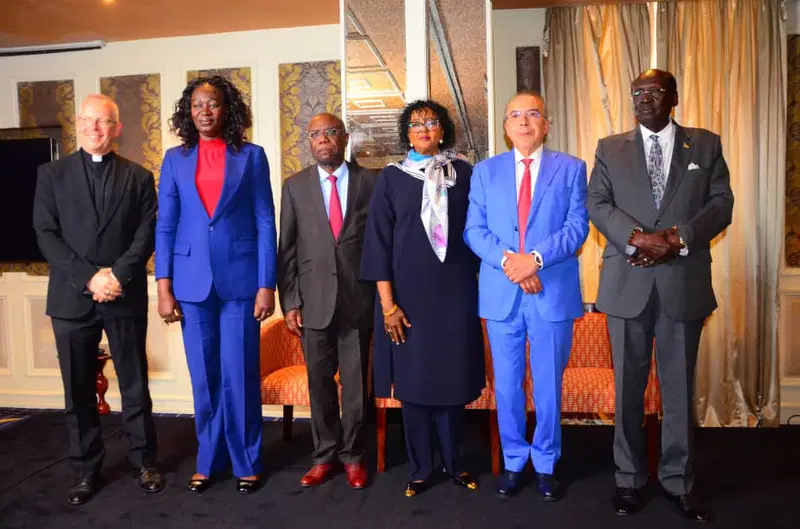
African and international leaders have raised fresh concerns about the continued fighting in Sudan, warning that the war is worsening humanitarian suffering and forcing millions from their homes.
The conflict began on April 15, 2023, when rival factions within Sudan’s military government clashed, plunging the country into a devastating civil war. Since then, attempts at peace, including talks in Jeddah, Manama, and Geneva, have failed to bring an end to the violence.
At a recent symposium held under the African Union and supported by the Kofi Annan Foundation, Amina Life, and the Maghreb-African Centre, diplomats and stakeholders once again called for an immediate ceasefire. The meeting focused on finding new ways to push Sudan’s leaders toward dialogue and to draw the international community’s attention back to the crisis.
Speakers at the event described how the fighting has destroyed livelihoods and driven millions of Sudanese people into exile or internal displacement. Aid groups estimate that about 10 million people have fled their homes since the conflict began, creating one of the world’s worst humanitarian emergencies. Women and children remain the most affected, with many facing health challenges, hunger, and insecurity.
Concerns were also raised about the spread of armed groups and extremist militias, which have made the situation even more dangerous. Leaders from across Africa warned that the war’s effects will not remain within Sudan’s borders, pointing out the growing instability it poses to neighboring countries and the wider region.
Participants urged Sudan’s factions to put aside personal interests and return to negotiations that could end the war. They argued that the future of the country and the safety of its people depend on genuine dialogue and stronger cooperation between the African Union, the United Nations, and regional bodies like IGAD.
For many, the conflict is not only tearing Sudan apart but also creating ripple effects that threaten peace and security in Africa as a whole.