
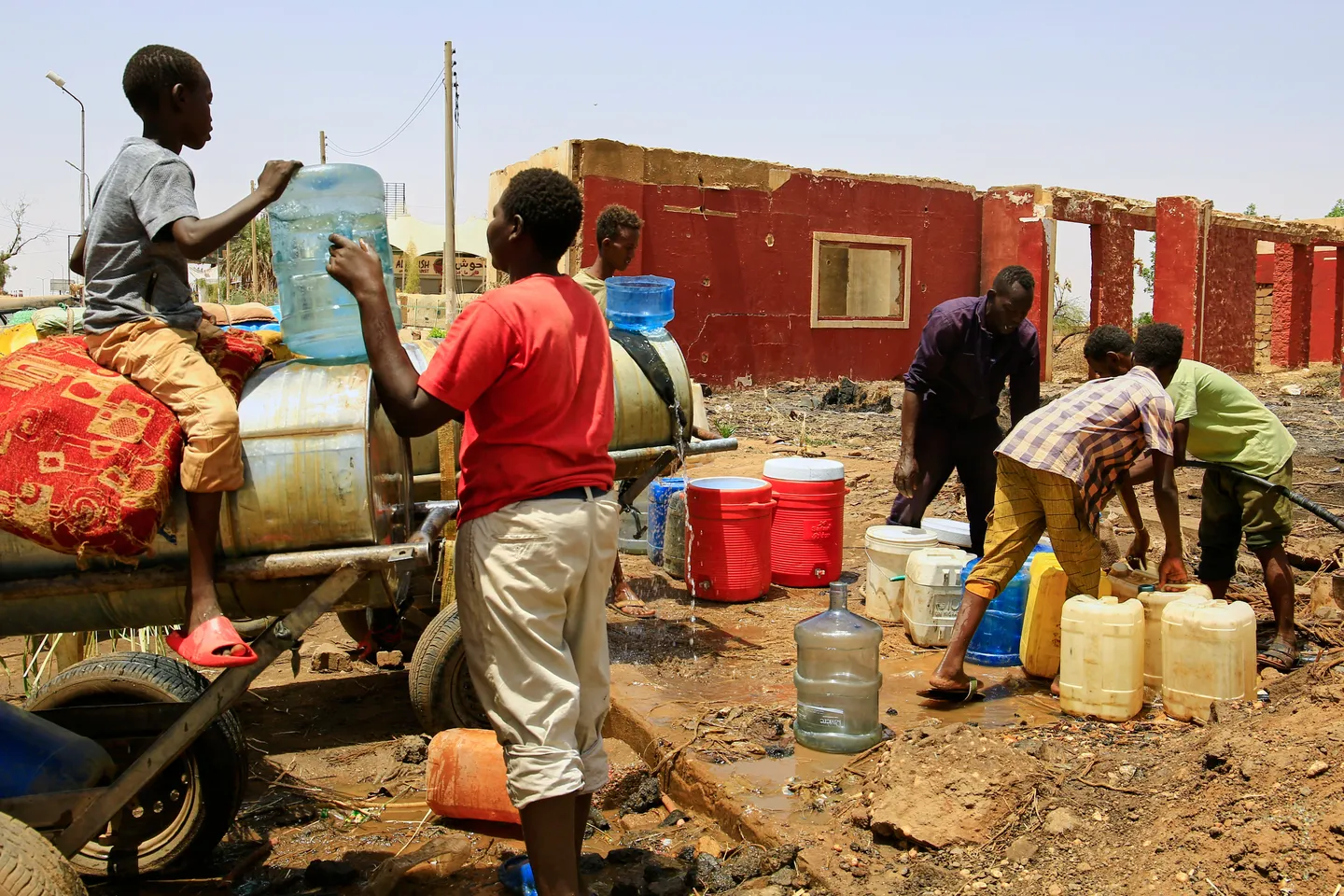
Sudan is battling a sharp rise in cholera cases as ongoing conflict severely disrupts water supplies and healthcare services.
According to the country’s health ministry, 2,700 new infections and 172 deaths were recorded in just one week, with most cases concentrated in Khartoum state.
The spread of the disease comes amid intense fighting between Sudan’s army and the paramilitary Rapid Support Forces (RSF), who have been locked in conflict since April 2023. Recent drone strikes, blamed on the RSF, hit vital infrastructure in Khartoum, knocking out power and disabling water systems that supply clean drinking water to the population. This has forced residents to rely on unsafe sources, accelerating the spread of the waterborne illness.
Cases are not limited to the capital. Infections have also been confirmed in central, southern, and northern regions of the country, raising fears that the outbreak could escalate even further if left unchecked.
Cholera is not new to Sudan, but the situation has become far more dangerous due to the war. The country’s already weak health system has nearly collapsed under the strain. Hospitals have been destroyed, looted, or forced to shut down, with reports indicating that as many as 90 percent of facilities have ceased operations at some point during the conflict.
The collapse of clean water systems is a major driver of the outbreak. Doctors Without Borders (MSF) reported that water treatment plants in Khartoum can no longer operate without electricity, cutting off the city’s access to safe water from the Nile. Without this essential service, communities are left vulnerable to diseases like cholera, which can cause death within hours if untreated.
While cholera can be managed with proper care, the war has made even the most basic treatment hard to access. Clean water, sanitation, and simple rehydration therapies are out of reach for many, especially in conflict zones. The World Health Organization has warned that Sudan’s healthcare system is on the brink of total failure.
The country’s humanitarian crisis continues to deepen. The war has claimed tens of thousands of lives and driven 13 million people from their homes, creating the largest displacement and hunger crisis in the world today.
With health workers overwhelmed and infrastructure crumbling, Sudan now faces the challenge of stopping a preventable disease without the tools to fight it. Aid agencies are calling for urgent support, but ongoing violence continues to block access to the areas that need it most.