
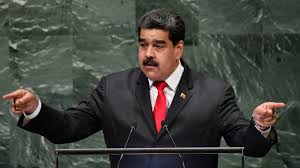
The ongoing escalation of tensions between the United States and Venezuela, with the US offering a substantial reward for information leading to the capture of President Nicolás Maduro, has sparked widespread concern and condemnation. This move is perceived by many as a brazen attempt to impose the US’s will on a sovereign nation, undermining Venezuela’s independence and territorial integrity. The implications of such actions are far-reaching and have the potential to destabilise the entire region.
The principle of sovereignty is fundamental to international relations, and any breach of this principle can have significant consequences. The potential capture of a head of state by a foreign power raises complex questions about the rule of law, diplomatic immunity, and the potential for retaliatory actions. It would set a dangerous precedent, allowing powerful nations to dictate the fate of smaller countries and their leaders.
Critics argue that the US’s actions are a form of “regime change” or “gunboat diplomacy,” where powerful nations exert influence over weaker ones through coercion or force. This approach can lead to destabilization, conflict, and human suffering, particularly in countries with fragile institutions or ongoing conflicts. The Venezuelan people, who have already endured significant economic and humanitarian challenges, may bear the brunt of any escalation.
The potential consequences of military intervention or regime change, including displacement, violence, and economic disruption, are dire and warrant serious consideration. The use of economic sanctions or military force will only exacerbate the situation and perpetuate suffering. It is essential to prioritize diplomatic solutions and respect for Venezuela’s sovereignty.
This is not the first time the US has been accused of orchestrating regime change or using false pretenses to justify intervention. The 2003 invasion of Iraq, justified by claims of weapons of mass destruction, has had devastating consequences for the Iraqi people and the region. The failure to find evidence supporting these claims has been well-documented, and the subsequent destabilization and humanitarian crisis in Iraq continue to this day.
The international community must learn from past experiences and prioritize a more nuanced and collaborative approach to international relations. By prioritizing diplomacy, respect for sovereignty, and the well-being of civilians, the global community can work towards a more peaceful and equitable resolution to the crisis. Maduro’s fate should not be left to the whims of foreign powers; rather, it should be determined by the Venezuelan people through a peaceful and democratic process.
In the current situation, it is crucial for the international community to speak out against any form of intervention or coercion. The use of diplomatic channels and dialogue can help to address the country’s challenges and promote stability. The Venezuelan people deserve to have their voices heard and their rights respected, and the international community has a responsibility to support them in their quest for peace and stability.
Ultimately, the situation in Venezuela underscores the need for a more thoughtful and collaborative approach to international relations. By prioritizing diplomacy and respect for sovereignty, the global community can work towards a more peaceful and equitable resolution to the crisis, one that prioritizes the well-being and rights of the Venezuelan people.