
Sweden has accused Russia of causing a sharp rise in GPS signal disruptions over the Baltic Sea, a development officials say threatens the safety of civil aviation and maritime navigation.
The Swedish Transport Agency (STA) reported 733 incidents of jamming so far in 2025, compared with just 55 in 2023.
According to the STA, interference now occurs almost daily and has spread beyond international waters into Swedish airspace and territory.
The agency said the source of the disruption had been traced to Russian territory and that shipping had also been affected.
Concerns escalated after a plane carrying European Commission President Ursula von der Leyen experienced severe interference last week while en route to Bulgaria. Pilots were forced to rely on paper maps but landed safely.
A Commission spokesperson described the event as “blatant interference by Russia,” a charge the Kremlin has denied.
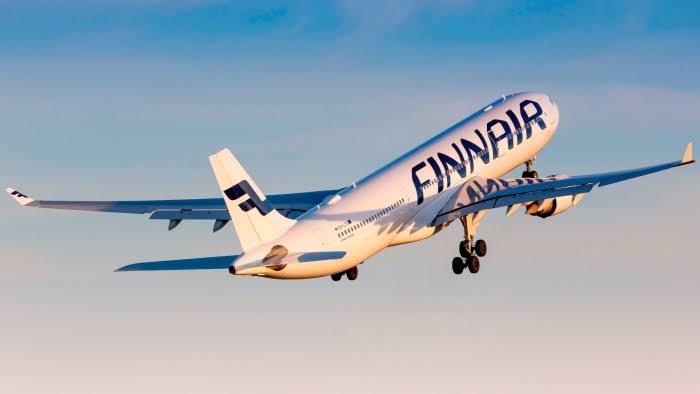
Airlines operating in the Baltic region have logged tens of thousands of jamming cases in recent years.
The Baltic states are surrounded on two sides by Russian territory, raising long-standing concerns that Moscow is using electronic warfare to disrupt civilian infrastructure.
In June, Sweden joined Estonia, Finland, Latvia, Lithuania, and Poland in raising the issue with the International Civil Aviation Organization (ICAO).
The council expressed “great concern” and called on Russia to halt the interference immediately. However, incidents have only grown more frequent since then.
While European governments see the jamming as part of Russia’s broader campaign to undermine regional stability, Moscow insists there is no proven link. Kremlin spokesperson Dmitry Peskov rejected the allegations as “incorrect.”
Aviation authorities warn that GPS disruption mid-flight can increase risks by confusing pilots’ navigation systems, potentially leading to collisions or unintended course deviations.
The UK Civil Aviation Authority has downplayed the impact, stressing that aircraft rely on multiple systems, not just GPS.
The STA cautioned that its 2025 figures, which cover incidents up to 28 August, may represent a significant underestimate, as many airlines report problems to their own national regulators.