
By: Aaron Mike Odeh
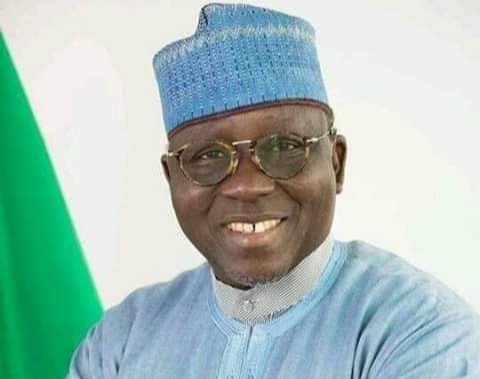
In a country where public office is too often viewed as an entitlement rather than a responsibility, Distinguished Senator Tanko Al-Makura represents a refreshing departure from the norm. His leadership style—rooted in sacrifice, simplicity, and genuine public service—bears striking resemblance to the standards upheld in some of the world’s most developed democracies.
At a time when Nigerians are increasingly disillusioned with political excesses, Al-Makura’s conduct echoes the humility and accountability seen among leaders in countries where governance is a calling, not a career. His approach invites a necessary comparison between Nigeria’s political culture and the leadership philosophies that have guided prosperous nations for decades.
Living Simply, Serving Deeply — The Ethical Standard
In developed nations such as Norway, Canada, and New Zealand, leaders often adopt modest lifestyles, reinforcing the idea that governance is about service, not personal comfort. Prime ministers and parliamentarians are frequently seen using public transport, observing transparent systems, and leading with moral clarity.
This culture mirrors Al-Makura’s long-standing reputation for living simply, running an open-door administration, and prioritizing public welfare over personal gain. His humility in power reflects the same ethos that defines globally respected leaders.
Sacrifice as a Leadership Value
In countries like Germany and Japan, leaders are expected to take responsibility, make tough decisions, and put national interest above personal ambition. Resignations over ethical concerns, public apologies, and personal accountability are part of their democratic maturity.
While such political discipline is rare in Nigeria, Al-Makura stands out for embracing responsibility, acknowledging shortcomings, and consistently prioritizing institutional development over political theatrics—traits aligned with the best traditions of developed democracies.
Development-Driven Governance
Leaders in the developed world are celebrated for practical, measurable impact. Their focus is often on infrastructure, education, social welfare, and economic reforms that directly improve citizens’ lives. They maintain a culture of evidence-based decision-making and long-term policy planning.
Al-Makura’s tenure as Governor of Nasarawa State similarly reflects a devotion to foundational development: road expansion, education reforms, accessible healthcare, and empowerment programmes. His focus on persons living with disabilities mirrors inclusive governance models practiced in Scandinavia and Western Europe.
Calm, Mature, and Responsible Political Conduct
Developed-world leadership is often marked by restraint—avoiding inflammatory rhetoric, maintaining political civility, and treating opposition as partners in nation-building rather than enemies. This maturity strengthens democracy.
Al-Makura’s calm demeanor, disciplined communication, and ability to rise above Nigeria’s often toxic political climate place him in the company of leaders who understand that stability and respect are cornerstones of national growth.
A Model Nigeria Desperately Needs
The comparison is clear: Senator Tanko Al-Makura’s leadership belongs to the class of statesmen found in nations where governance works—where leaders are accessible, accountable, development-driven, and guided by conscience rather than convenience.
In a Nigeria struggling with distrust in public institutions, his example offers a roadmap for what is possible when leadership is anchored in sacrifice, humility, and genuine commitment to the people.
If Nigeria hopes to climb out of its present challenges, it will require more leaders modeled after the standards Al-Makura exemplifies—leaders who mirror not the excesses of power, but the discipline, service, and maturity that define the developed world.
Composed by: Aaron Mike Odeh, a public Affairs analyst, Human Capacities Building and Community Development Advocate