
By SUNDAY ABBA, Abuja
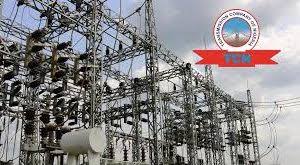
The Transmission Company of Nigeria (TCN) has confirmed the grid outage that occurred Thursday foisting another bout of blackout on the nation.
A statement signed by the company’s General Manager, Public Affairs, Ndidi Mbah, confirmed that a grid disturbance occurred at approximately 11:29am.
According to the statement, the outage was caused by a sudden rise in frequency from 50.33Hz to 51.44Hz.
TCN announced that restoration efforts were ongoing, noting that the Abuja Axis was restored within 28 minutes of the incident.
Explaining further, it said, “The frequency spike was caused by issues encountered at one of our substations, which had to be shut down to prevent further complications.
“In addition to this, we are actively engaged in significant repair work on several critical transmission lines and substations. This includes the 330kV transmission lines along the Shiroro–Mando axis, major upgrades at the Jebba Transmission Substation, and the restoration of the second Ugwuaji–Apir 330kV transmission line.
“Furthermore, following the submission of the investigative report on the causes of previous grid collapses, we have begun addressing the identified weaknesses in the transmission system.
“Efforts are being made to close the gaps highlighted in the report and to enhance the overall stability and resilience of the grid. These efforts include both technical upgrades and strategic interventions based on the committee’s recommendations.
“However, it is important to note that while these repairs and improvements are underway, some degree of instability in the system is likely to persist until all major works are completed. We acknowledge the impact of these disruptions and ask for the understanding and patience of the public during this challenging period.
“We assure the public that all necessary measures are being taken to ensure the grid’s long-term stability, in line with the recommendations of the investigative committee, while also addressing infrastructure damage such as vandalised transmission lines.”