
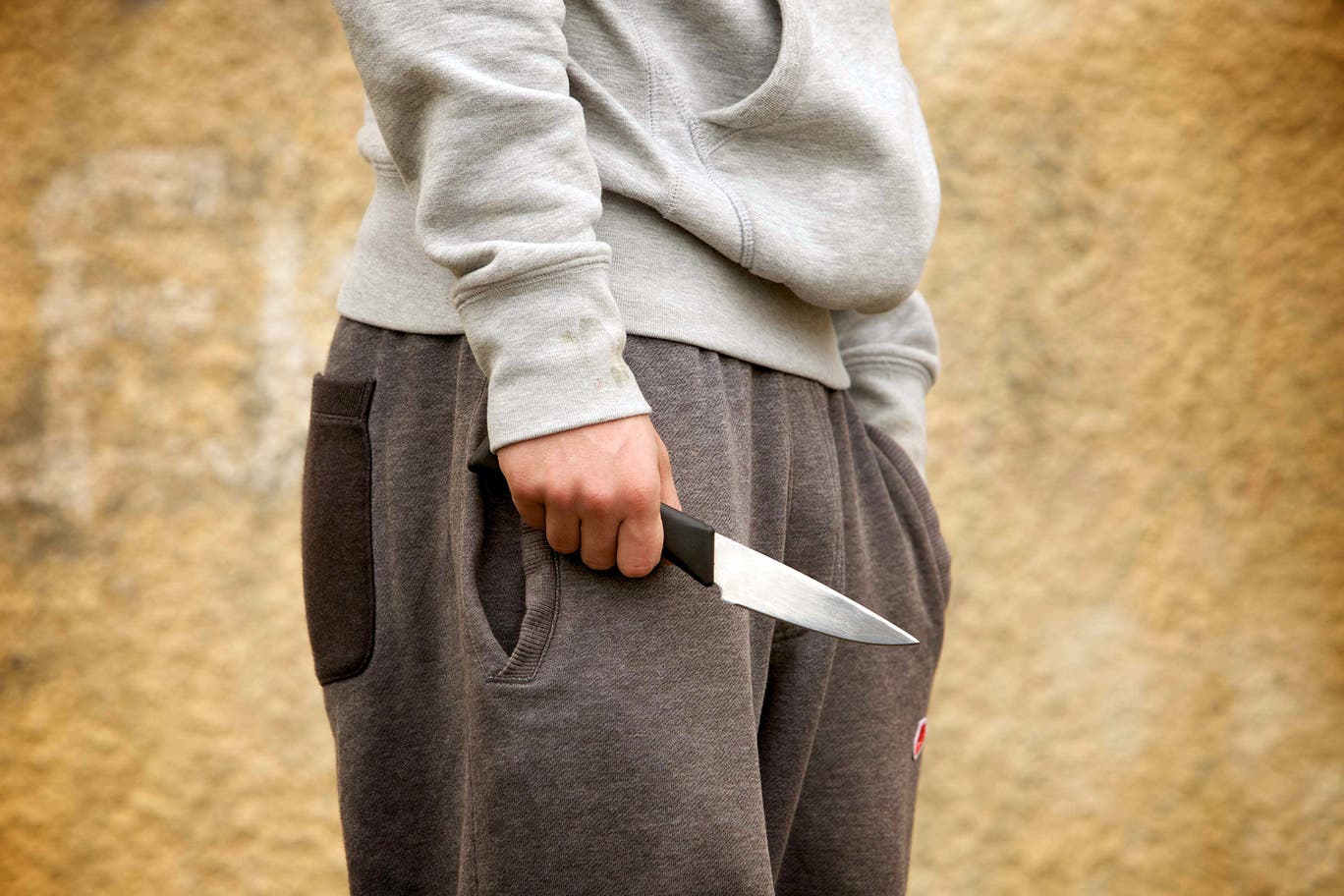
A child as young as ten was found carrying a knife in Scotland this year, raising fresh fears that the country is facing a growing crisis of youth violence.
Police Scotland confirmed that a total of 91 individuals under the age of 18 were caught with a blade in 2024, sparking alarm among politicians, police officers, and community leaders.
The figures were revealed through an analysis of stop and search data by the criminal justice magazine 1919. The report showed that young people accounted for nearly a third of all knife-related stop and search successes this year, suggesting that bladed weapons are becoming increasingly common among children and teenagers.
These findings come after the tragic deaths of two teenagers, Amen Teklay and Kayden Moy, who both died in separate stabbing incidents earlier this year. Their deaths have intensified public concern and calls for urgent action.
The 91 cases involving young people with knives mean that, on average, someone under 18 was found with a weapon nearly every four days. In some cases, children as young as 12 were found with blades in areas including Glasgow, Ayrshire, and Lanarkshire. The data also revealed that more than a dozen 13-year-olds — including two girls — were stopped and found to be carrying knives.
David Threadgold, who chairs the Scottish Police Federation, said the rising number of children caught with weapons reflects a growing and dangerous trend. He warned that each case poses real risks to both officers and communities, and the long-term impact can be devastating for all involved — from victims to offenders.
But Threadgold stressed that the responsibility to tackle this problem cannot lie solely with the police. He called for stronger preventative measures to be introduced, focusing on early intervention and support for vulnerable young people before they turn to violence.
Scottish Labour’s justice spokesperson Pauline McNeill echoed these concerns, describing the figures as a clear sign of an emerging youth violence crisis. She criticised government cuts to youth work and mental health services, arguing that these decisions have created conditions where violence is more likely to thrive. She said the only effective solution is to reach children early and address the underlying causes that push them toward carrying weapons.
First Minister John Swinney has publicly urged young people not to carry knives, describing it as both dangerous and harmful. However, critics say that more than warnings are needed. Scottish Conservative MSP Sharon Dowey accused the government of failing to take the issue seriously, calling for stronger penalties for knife offences and greater powers for police to carry out stop and searches.
Dowey said the numbers show how badly knife crime has escalated and warned that the current approach by the government is not working. She called for tougher justice policies and claimed that the government’s handling of law enforcement and youth services has made matters worse.
In response, a Scottish Government spokesperson defended the use of stop and search as a legal and proportionate policing method, and pointed to other measures in place to reduce violence. However, pressure is mounting on ministers to develop and fund a more comprehensive strategy that goes beyond enforcement and reaches into schools, mental health care, and community outreach.
With children as young as ten now being found with knives, campaigners argue the time for half-measures is over. They are urging a nationwide effort to break the cycle of youth violence before more young lives are lost or ruined.