
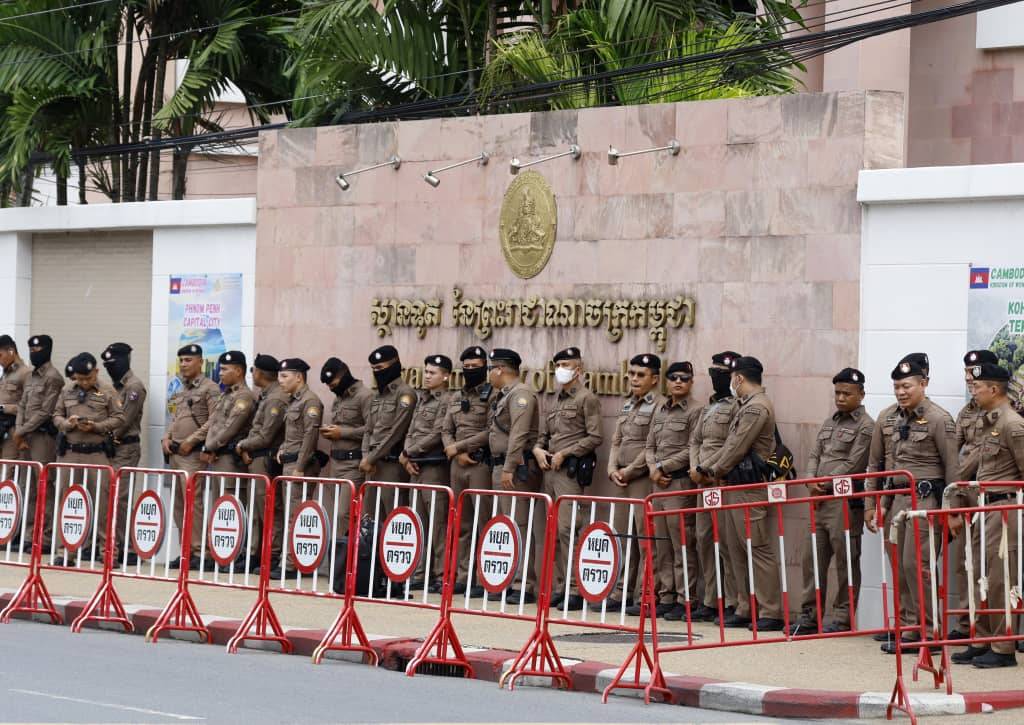
Thailand has closed multiple border crossings in its northeastern provinces and has recalled its ambassador from Cambodia while expelling Cambodia’s envoy.
The actions follow a landmine explosion on July 23 in Ubon Ratchathani province, where five Thai soldiers were injured and one lost a leg during patrols in a disputed area .
This marks the second such blast in one week; on July 16, another mine wounded three Thai soldiers and cost one the use of a foot .
Thai officials claim the mines were newly placed, Russian-made, and located along agreed-upon paths that should have been safe .
In response, Thailand lodged a formal protest, downgraded diplomatic relations, and sealed off crossing points under the army’s Second Region, warning that tourists are banned from affected zones .
Cambodia has denied planting new mines, stating the explosion occurred on Cambodian soil and accusing Thai troops of straying off agreed routes into areas with old unexploded ordnance dating back to the civil conflict that ended in 1998 — one that left nearly 20,000 Cambodians dead and 45,000 wounded .
Tensions have escalated since a May 28 clash that killed a Cambodian soldier, prompting mutual checkpoint closures, trade restrictions, and nationalist pressure in both countries .
Thai domestic politics are also feeling the strain. Former Prime Minister Paetongtarn Shinawatra was suspended last month after a leaked call with Cambodia’s Hun Sen that was deemed critical of Thai military leadership.
Efforts to calm tensions remain limited amid rising nationalist sentiment and ongoing military safeguards along the border.