
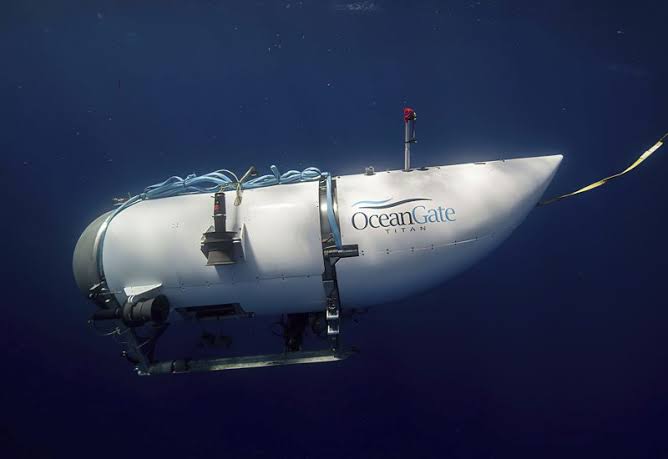
A recent investigation by the US Coast Guard into the 2023 Titan submersible tragedy has found serious problems in how OceanGate managed safety and operations.
The company behind the deep-sea exploration mission reportedly ignored critical safety checks and created a harmful work environment that discouraged accountability.
According to the report, OceanGate used fear-based tactics to avoid external inspections.
Internal processes also fell short of basic safety standards, allowing the Titan sub to operate without proper oversight.
The design flaws were not just technical but linked to poor decision-making and a rushed approach to exploration goals.
Stockton Rush, OceanGate’s chief executive who died in the incident, was found responsible for choices that directly contributed to the fatal outcome.
The report stated that, had he survived, he could have faced legal consequences for his actions.
His leadership was marked by risky practices and a pattern of avoiding expert advice.
The submersible broke apart just 90 minutes into its dive to the Titanic wreck in June 2023.
All five individuals on board were killed instantly due to the extreme underwater pressure—measured at nearly 5,000 pounds per square inch.
The report gives a detailed timeline of the mission’s final moments and the events that led up to the loss.
Families of those who died acknowledged the findings but said no report could ease the pain caused by the tragedy.
They also urged for better regulations in deep-sea tourism and exploration to help prevent future disasters.
The Coast Guard’s findings offer insight into how financial pressure, ignored warnings, and workplace toxicity played a part in a tragedy that shook the world.