
Lawmakers in Togo recently approved sweeping changes to the country’s political system that have removed term limits for the presidency.
The constitutional change means the sitting president could remain in office far longer than before, causing alarm among opposition groups and drawing attention from international observers. The law passed through parliament after a vote that was largely backed by the ruling party, sparking concerns over a power shift that could reshape Togo’s future.
The change was introduced during a session of the National Assembly in the capital, Lomé. It replaces direct presidential elections with a system where lawmakers will select the head of state. This move effectively allows the current president, who has already served multiple terms, to stay in power without the traditional time restriction. The ruling party claims the change is necessary for stability, but critics fear it weakens democracy.
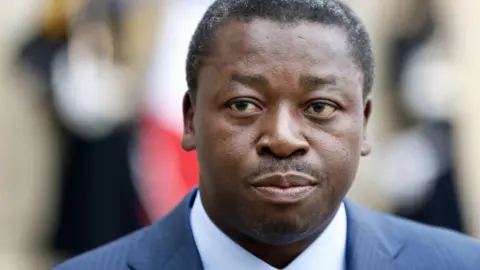
The law was passed by the Togolese parliament, which is heavily influenced by the ruling party. President Faure Gnassingbé has been in office since 2005, following in the footsteps of his father, who ruled for nearly four decades. With these new changes, the president may now be able to extend his hold on power indefinitely, depending on the parliament’s support. This has caused outrage among those who view the move as a step backward for democratic governance.
Many citizens and opposition leaders reacted with frustration and fear. Demonstrations and public discussions have begun to grow in some areas, with calls for international pressure to reverse the changes. Critics believe this law pushes Togo closer to a one-party state and reduces the people’s voice in choosing their leader. They also worry that it sets a dangerous example for other countries in the region.
The president and his allies insist the reform brings political balance and aims to strengthen government institutions. However, the timing of the change—just months before the next elections—has raised eyebrows and fueled distrust. Many see it as a calculated move to secure long-term power under the cover of legal reform. As discussions continue, both inside Togo and abroad, the political tension is rising.
This development has stirred debate not only in Togo but across West Africa, where several countries have experienced similar attempts to alter term limits. While the full impact of the decision is yet to be seen, it has already changed the country’s path and placed Togo under a global spotlight. The future of its democracy now hangs in the balance as citizens wait to see what comes next.