
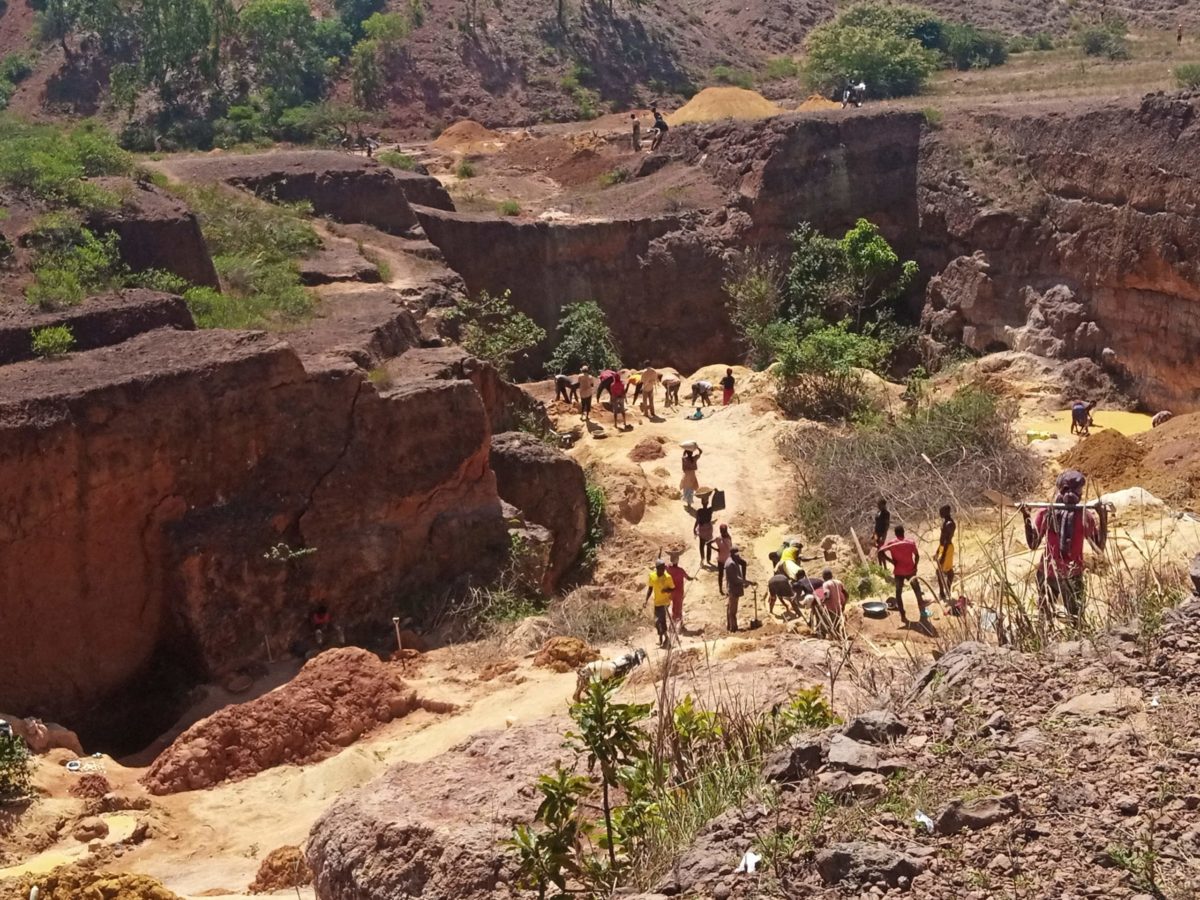
Togo has announced a temporary suspension of mining permits for prospecting and exploration of mineral substances, except for construction materials and industrial minerals. This “strategic pause” aims to enable a comprehensive reform of the Mining Code, considered outdated in the face of current environmental, social, and economic challenges.
The decision is part of institutional reforms initiated under the Fifth Republic, established after the adoption of the new Constitution in May 2024. The government seeks to provide the mining sector with a more rigorous, transparent, sustainable, and inclusive legal framework. This framework will ensure responsible exploitation of natural resources, taking into account local communities’ needs and environmental imperatives.
The current Mining Code, adopted in 1996 and amended in 2003, is being reviewed to modernize it and align it with international standards. The suspension mainly concerns high-value substances like gold, phosphate, and iron. According to the government, this pause will allow for the establishment of a new legal framework that clarifies procedures and strengthens control mechanisms, sending a strong signal to investors and partners.
“Togo intends to affirm its commitment to better, more equitable, and sustainable governance of the extractive sector,” the government stated. This move marks a strategic turning point for the Togolese mining sector, aiming to build a more responsible and transparent economic model respecting contemporary social and environmental issues ¹.
The suspension is also seen as a step towards reestablishing control over Togo’s natural resources and affirming its sovereignty, aligning with a growing trend of resource nationalism across Africa. By joining the Alliance of Sahelian States (AES), Togo aims to reduce foreign exploitation and ensure its wealth benefits local communities and the environment.
This development mirrors similar efforts in Burkina Faso, where the government has prioritized responsible mining practices. Togo’s new framework is expected to prioritize local communities’ needs, environmental sustainability, and transparent governance.