
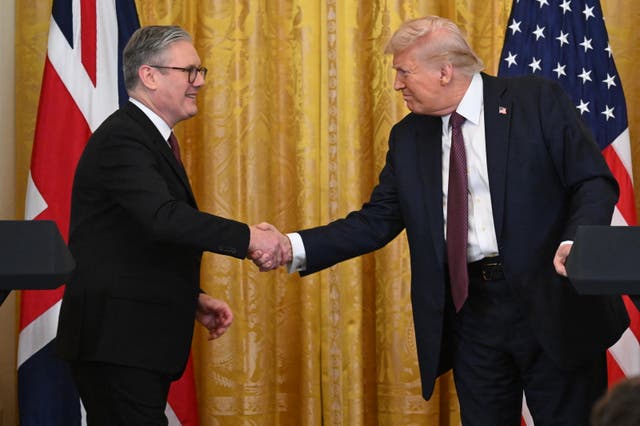
The United States and the United Kingdom are expected to announce a major trade agreement today following long negotiations.
US President Donald Trump is preparing to reveal the deal from the White House this afternoon, while UK Prime Minister Keir Starmer will speak shortly afterward. Media outlets in the US, including the New York Times, say the agreement is with the UK. For Britain, this would be the first formal trade deal signed since the US rolled out sweeping tariffs on imports from key allies.
The talks have been ongoing for weeks, driven by the need to protect UK industries from heavy tariffs imposed by the US. The new deal arrives just as pressure mounts from British businesses affected by these charges. Among the industries most impacted are steel, aluminium, and the luxury car sector. High-end vehicle makers like Rolls-Royce and Aston Martin have been caught in the crossfire of rising trade costs, prompting urgent efforts to strike a compromise.
The deal is expected to bring relief by reducing or removing some of the tariffs that began earlier this year. A 10 percent charge was applied to most UK exports, while some goods like cars and metals faced even higher levies. In exchange, the UK may adjust its own tariffs, including those on American food products like chicken and beef. There are also signs that the UK will consider changing its digital services tax, which has caused friction with US tech companies.
This agreement comes at a time when many UK businesses are feeling the pressure. According to official data, nearly one in five companies in Britain expect to be affected by US tariffs in the near future. Common concerns include lower customer demand and rising costs, which could eventually reach consumers. Business owners are looking to the deal as a way to ease the burden and prevent further economic trouble.
Stock markets responded positively ahead of the announcement. The FTSE 100 in London saw a small rise early Thursday, while other European markets also moved upward. The mood among investors is one of cautious hope, as they wait for details on how the trade deal will work and how it could affect future exports and imports.
Experts believe the deal will help limit the damage from ongoing trade tensions, but they warn it will not return things to the way they were before the tariffs began. Some suggest that the agreement is more about reducing losses than unlocking new growth. In contrast, the UK’s recent trade agreement with India is being seen as a more forward-looking and potentially more rewarding move for long-term trade.
As the two leaders prepare to speak, businesses and politicians alike will be watching closely. For the UK, the deal offers a chance to steady its economic path in the face of rising global uncertainty. For the US, it’s a sign that despite tough talk and aggressive tariff policies, negotiation remains on the table.