
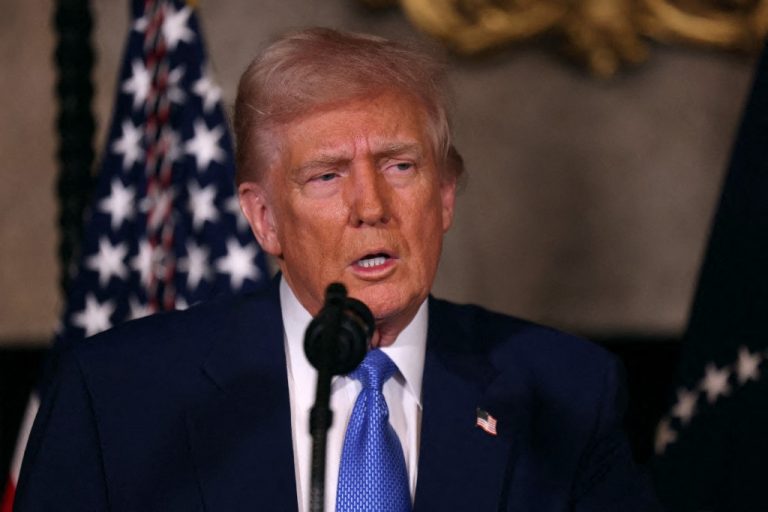
The Trump administration took action to freeze $2.2 billion in federal funding designated for Harvard University.
The move came after the prestigious school pushed back against policy demands set by the federal government, creating a standoff between one of America’s oldest universities and the executive branch.
This situation unfolded when Harvard officials reportedly decided not to go along with certain directives issued by the Trump administration. While the exact nature of the disagreement has not been publicly detailed, it stems from broader clashes between federal education policy and university-level governance. The funding halt serves as a response to Harvard’s refusal to align with those government expectations.
The frozen funds, which were meant to support various research and academic programs, represent a major financial shift for the university. These federal dollars often help cover essential operations, student aid, and ongoing projects tied to national priorities. Without access to the money, Harvard may have to revise budgets and delay or cancel some initiatives.
Harvard has not backed down, maintaining its stance despite the financial pressure. University leaders have long defended their independence and academic freedom, often standing at odds with federal policies they believe undermine institutional values or academic goals. This is not the first time Harvard has been caught in a political crossfire, but the financial stakes are higher this time.
The decision to block funding was carried out under President Donald Trump’s administration, which had been vocal in reshaping federal engagement with higher education institutions. Trump and his team frequently criticized what they described as political bias in elite universities and pushed for reforms that many academic leaders resisted.
This clash adds another chapter to the ongoing tension between federal power and university autonomy. The freeze sends a strong message about how far the administration was willing to go when met with opposition from academic institutions. For Harvard, the loss of such a large sum may be temporary or long-term, depending on how the dispute unfolds.
The impact of this move reaches beyond Harvard. Other schools watching closely may take this as a warning about the risks of defying federal policy. It also fuels debate about the proper role of government in education and how much influence Washington should have over institutions that rely heavily on public funding.