
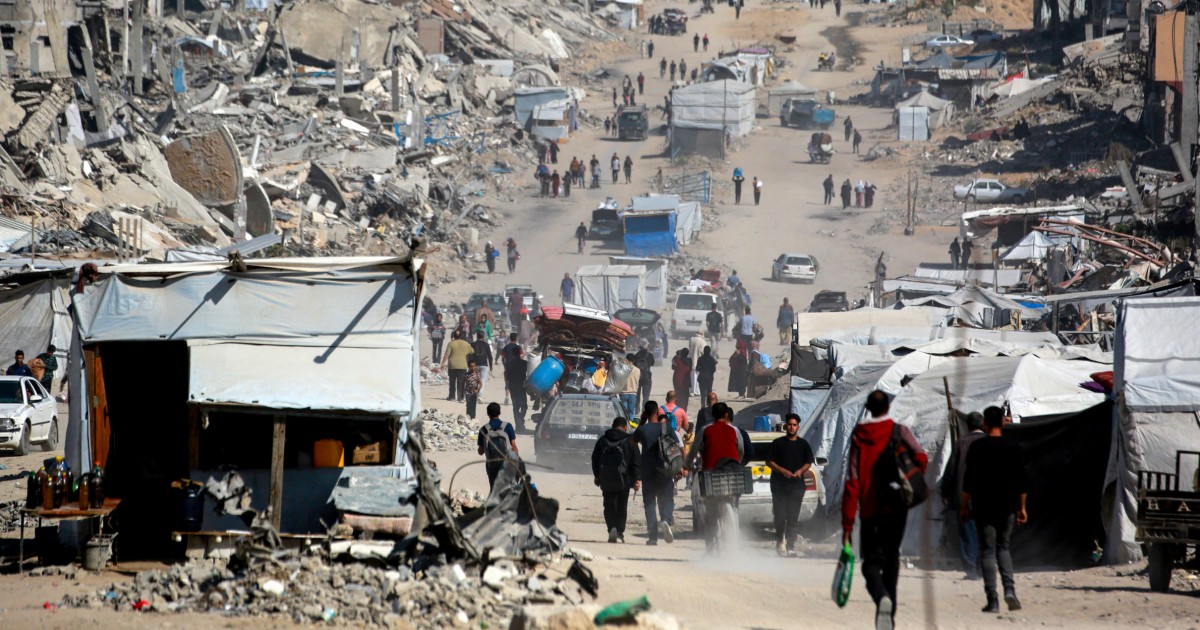
The Trump administration is reportedly exploring a controversial proposal to move up to one million Palestinians from the Gaza Strip to Libya.
While no final decision has been made, sources familiar with the matter say discussions have reached the level of engagement with Libyan leadership.
The idea is part of a broader conversation about how to deal with the aftermath of the ongoing war in Gaza. According to multiple people with knowledge of the plan, the U.S. could potentially release billions of dollars in frozen Libyan assets as part of the deal. These assets have been locked for over a decade due to sanctions and political instability in Libya.
The plan is still in the exploratory stage and has not been formalized. Israel has reportedly been kept updated on the conversations, although officials have declined to comment publicly. Meanwhile, U.S. government bodies such as the State Department and the National Security Council have denied that such a plan is in place. A spokesperson stated that the idea had not been discussed officially and that it would be unworkable given the current conditions.
Hamas, the group that governs Gaza, said they had no knowledge of the discussions and strongly rejected the notion of relocating Palestinians outside their homeland. A senior Hamas official reiterated that Palestinians are committed to staying on their land and do not accept any external authority making such decisions on their behalf.
Libya itself remains deeply divided and unstable, with rival governments in the east and west of the country vying for power. Both factions are struggling to provide services and maintain control, and the country continues to face violence, economic hardship, and infrastructure challenges. The U.S. government currently warns its citizens against traveling to Libya due to ongoing armed conflict and lawlessness.
There are also questions about how many Palestinians would agree to such a move, even if incentives like free housing or stipends were offered. Moving such a large population across borders would be logistically and politically difficult, with humanitarian, legal, and security implications.
The proposal, while not official policy, reflects ongoing debate within the administration about potential long-term solutions for Gaza. It remains unclear whether the idea will gain any traction or be shelved amid pushback and practical barriers.