
President Donald Trump has granted full pardons to reality television personalities Todd and Julie Chrisley, a high-profile couple convicted of bank fraud and tax evasion in 2022.
The pair, who rose to fame on the USA Network reality show Chrisley Knows Best, had been serving 12- and 7-year federal sentences respectively.
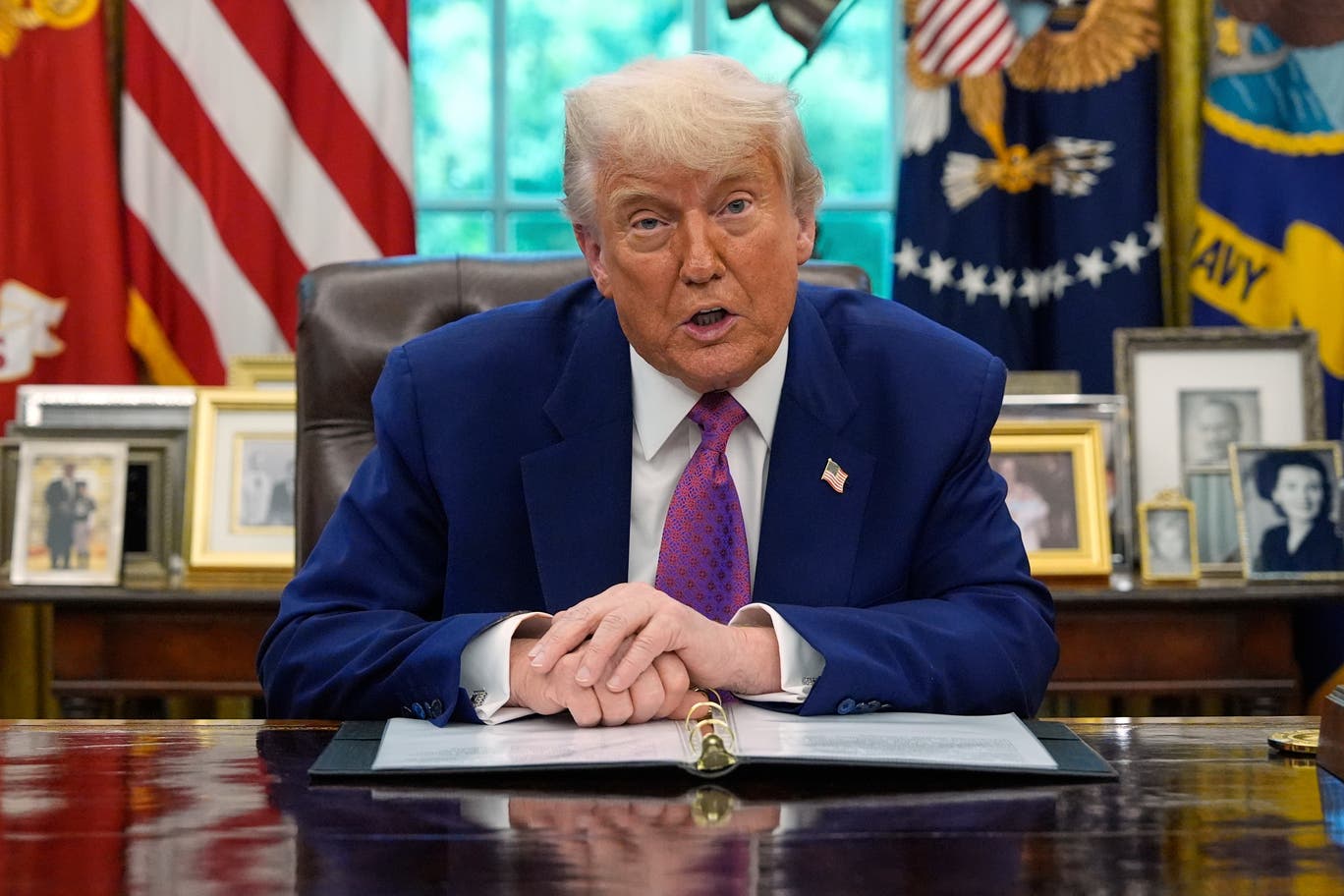
The announcement came after a video surfaced of Trump speaking from the Oval Office with the couple’s daughter, Savannah Chrisley. In the video, he assured her, “Your parents are going to be free and clean… They were given pretty harsh treatment based on what I’m hearing.”
White House Deputy Press Secretary Harrison Fields defended the decision, saying the couple’s sentences were “far too harsh” and that Trump believes in giving “well-deserving Americans a second chance.” The pardons are part of a broader pattern since Trump’s return to office, which has included clemency for January 6 rioters and a sheriff convicted of federal bribery.
The Chrisleys had long denied wrongdoing, blaming their prosecution on their public profiles. Federal prosecutors, however, painted a very different picture—alleging the couple conspired to fraudulently obtain over $30 million in loans and evaded federal income taxes for years. At sentencing, Judge Eleanor Ross pointed to their “greed and flamboyance” and noted a lack of remorse.
The backlash to the pardons has been swift, with critics accusing Trump of politicizing the justice system and favoring media personalities aligned with him. While the couple’s original charges were federal and prosecuted by a Trump-appointed U.S. attorney, Savannah Chrisley attempted to frame the case as part of a broader political vendetta, linking it—falsely—to Fulton County District Attorney Fani Willis, who is prosecuting Trump in a separate Georgia case.
The Chrisley family is now set to return to television. Lifetime announced a new reality series that will follow Savannah’s efforts to secure the pardons and care for her younger siblings. The show is expected to premiere later this year, capitalizing on the controversy and renewed public attention.
This development raises fresh questions about Trump’s use of presidential pardon power, particularly when it intersects with celebrity, politics, and media influence.