
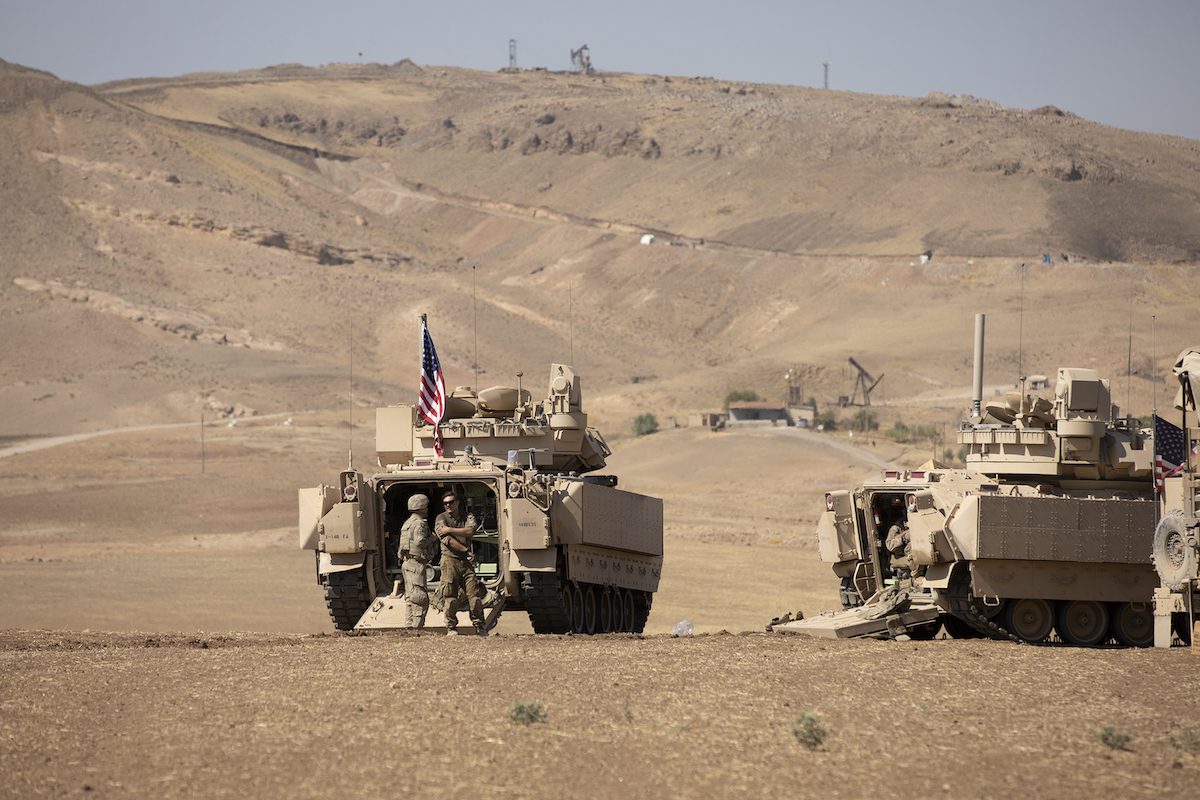
The United States has begun reducing its military presence in northeastern Syria, despite strong objections from Israel.
This move, ordered by President Donald Trump, is reshaping the region’s power balance and weakening Israel’s efforts to use US forces to pressure its rivals, especially Turkiye and Syria.
The troop cut, which will bring the US presence down from about 2,000 to 1,400 soldiers, marks a major shift. Israeli officials had urged Washington to delay the withdrawal, hoping to block Turkiye’s growing influence and prevent closer ties between Ankara and Damascus. But the US, shifting from a military role to a political one, rejected those appeals and decided to go ahead with its plans.
Israel has long depended on American support to maintain its strategic edge in the region. With the US reducing its footprint, Israel now faces new challenges. One major concern is the potential formation of a strong partnership between Turkiye and the Syrian government led by interim President Ahmed Al-Sharaa. This alliance could weaken Israel’s dominance and reduce its ability to shape outcomes in Syria.
Trump’s decision also reflects pressure from his base. Many supporters have grown tired of US involvement in Middle Eastern wars, especially when those missions appear more focused on foreign interests than American ones. By downsizing US operations, Trump is aligning his policies with those voices while trying to avoid a full military retreat.
As part of the reduction, the Pentagon confirmed that the US will shut down three of its eight military bases in the region. While the focus remains on fighting Daesh and supporting detention operations, the overall shift leaves a gap in security that worries Israel and its allies.
Complicating matters further, the Kurdish-led Syrian Democratic Forces (SDF)—once a key US partner—are now slowly merging with the Syrian army. This process weakens Israel’s previous hopes of using Kurdish forces as a counterbalance to Damascus. Although Israel has tried to build stronger ties with Kurdish leaders, the changing dynamics suggest the US is no longer willing to invest in that strategy.
The situation marks a turning point. While the US continues to play a role, its shrinking presence changes how Israel can operate in the region. The strategic fallout from the withdrawal is already being felt, and in the coming months, the region may see deeper shifts in alliances and influence as Israel recalibrates its next moves.