
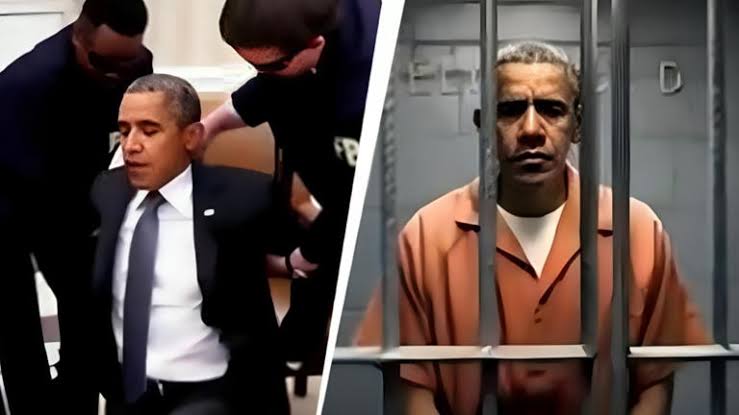
On Monday, July 21, 2025, U.S. President Donald Trump posted a digitally altered video on his Truth Social account showing former President Barack Obama being arrested by FBI agents in the Oval Office.
The short clip—originally sourced from TikTok—depicts Obama in handcuffs and later behind bars, set to the song “YMCA.” The post carried the caption “No one is above the law.”
The release of the video followed recent allegations from Director of National Intelligence Tulsi Gabbard, who accused the Obama administration of colluding in what she described as a “coup” meant to undermine Trump’s 2016 election victory. Gabbard cited declassified documents and called for prosecutions.
Critics responded swiftly, calling the video misleading and dangerous. Observers warned it is an example of how AI-generated content—also known as deepfakes—can spread false narratives and manipulate public perception.
The timing of the clip’s posting has led many to see it as a deliberate attempt to draw attention away from other controversies surrounding Trump, including his administration’s handling of Jeffrey Epstein documents.
Supporters of Trump appeared to welcome the video, with some praising it as a bold political statement.
Meanwhile, Democrats dismissed Gabbard’s claims and the use of an arrest video as baseless political theatre.
They argue that former intelligence reviews, including bipartisan findings, confirm that Russia did interfere in the 2016 election—counter to Gabbard’s charges.
This moment marks another escalation in the increasingly strained relationship between Trump and his predecessors.
Observers note that trading deepfake content represents a new, sharper phase in U.S. political discourse—one that challenges norms around truth in media and legal accountability.