
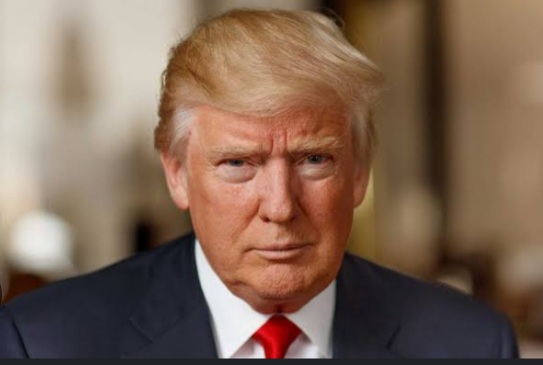
On Monday, July 7th, United States President Donald Trump announced a new round of tariffs, placing a 25% tax on goods imported from Japan and South Korea.
The decision comes after months of complaints from Washington about what it sees as unfair trade practices and a lopsided economic relationship with two of its most important allies in East Asia.
The tariffs are set to take effect on August 1. According to notices issued by the White House, Trump blamed what he called long-standing trade imbalances between the US and the two Asian countries.
He argued that while both nations have benefited greatly from access to the American market, the same opportunities have not been extended in return to US exporters.
The president made the announcement through public letters addressed to the leaders of Japan and South Korea.
These letters, posted on his social media platform Truth Social, carried his usual style and wording. In the letters, Trump warned both governments that any retaliation could lead to further penalties.
However, he also left open the possibility of reducing the tariffs—if the two countries revised their trade policies to align more closely with Washington’s demands.
This move is part of an effort by the Trump administration to push foreign governments to sign new trade agreements before the fast-approaching deadline.
Over the past week, the White House has been increasing pressure on US trading partners, urging them to finalize negotiations before July 9.
So far, only the United Kingdom and Vietnam have reached deals under this timeline.
Trump first mentioned the new tariff measures last Friday, telling reporters that he had signed letters to about a dozen countries.
As of now, only two of those letters have been made public. The message to Tokyo and Seoul is clear: accept new trade rules or face stiff economic consequences.
In addition to the 25% tariffs on certain imports from Japan and South Korea, there are already separate duties of 50% on steel and aluminum, and 25% on cars.
Trump has also enforced a 10% base tariff on imports from all nations, claiming the US is facing an economic emergency due to persistent trade deficits.
Since April, however, few foreign governments have agreed to Washington’s terms. Many are still weighing their options as uncertainty looms over what may happen after the July 9 deadline.
Businesses and consumers in both the US and abroad are left in a state of confusion, unsure how long the tariffs will remain or whether further changes are on the way.
As Trump continues to push for what he describes as fairer trade, all eyes will be on Japan, South Korea, and other trading partners to see how they respond in the coming days.