
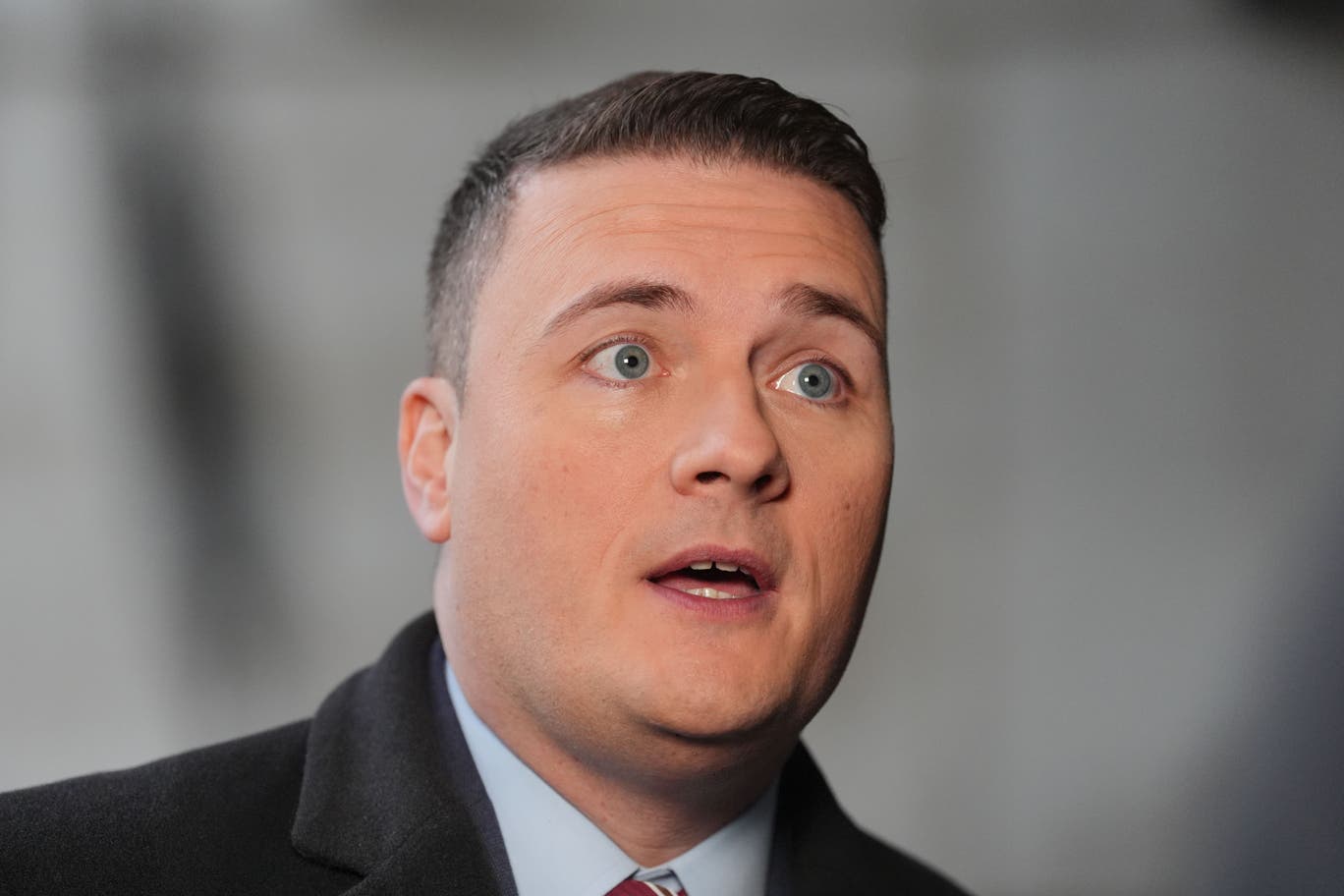
The UK may soon face new pressure on its medicine supply due to sweeping tariffs introduced by US President Donald Trump, Health Secretary Wes Streeting has warned.
As the global trade environment becomes more unstable, the UK government is scrambling to manage the potential fallout and protect both public services and industry.
Trump’s decision not to suspend the new tariffs has rattled international markets and sparked concerns across British industries. In the health sector, ministers are particularly worried that the added strain on supply chains could worsen already serious medicine shortages in the UK.
Streeting pointed out that drug supply in the UK was already fragile before the tariffs came into force. Problems tied to manufacturing and distribution, as well as ongoing consequences of Brexit, have caused major disruptions in the availability of key medicines. In fact, government figures show that there were nearly 2,000 official notifications of supply issues from pharmaceutical companies in 2024 alone—one of the worst years on record.
The situation is now expected to grow more difficult. With US tariffs affecting a wide range of goods, including medical components and raw materials, experts fear that costs could rise and access to certain treatments could become limited. While the Department of Health and Social Care monitors the situation closely, ministers admit that they are working in a tense and fast-changing environment.
At the cabinet level, there is growing concern about the wider impact of Trump’s trade war. The prime minister and senior ministers are in advanced talks with Washington in an effort to secure a deal that would protect UK businesses from the brunt of the tariffs. However, the US president made clear this week that he has no plans to halt the measures in the meantime, calling them both a source of revenue and a tool for negotiation.
The UK’s response includes exploring flexibility at pharmacies to ensure patients still get their prescriptions, even if certain brands or dosages are temporarily unavailable. But this approach is only a short-term fix. Health officials worry that repeated disruptions could eventually affect patient care.
Brexit has already made the UK’s medicine supply more fragile compared to its European neighbours. A recent report from the Nuffield Trust said the country is now more vulnerable to global shocks than many others, with customs checks and regulatory barriers slowing down the flow of medical goods.
The new tariffs, which sent global stock markets tumbling earlier this week, only add to a growing list of challenges facing the UK’s healthcare system. Ministers now face the task of balancing emergency responses with longer-term policy changes to shield the NHS and its supply chains from further instability.
As international tensions rise and trade becomes more politicised, the UK finds itself at a crossroads. Its leaders must now act swiftly to secure the flow of vital supplies and reassure a public already weary from years of economic uncertainty.