
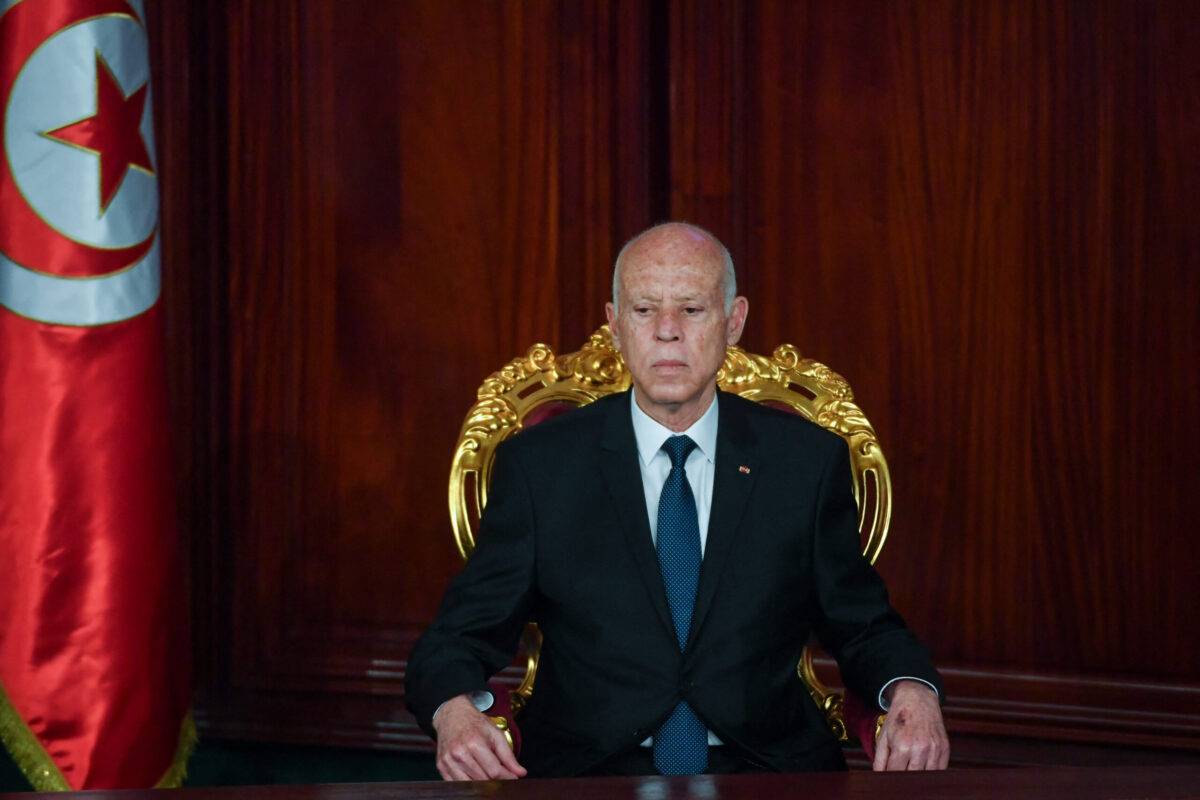
Tunisian President Kais Saied has dismissed reports that his government agreed to take back citizens deported from European countries.
Speaking during a memorial event for late President Habib Bourguiba, Saied firmly stated that no such agreement was signed and that the idea of a deportation deal was completely unfounded.
This comes amid growing concerns and speculation about the true terms of the memorandum of understanding Tunisia signed with the European Union in 2023. While the agreement focused on economic cooperation and migration management, Saied insisted that it did not include any commitment to repatriate Tunisians living illegally in Europe. He described the allegations as baseless and said they were invented by those trying to stir public unrest.
The president also addressed a recent operation to clear migrant camps in the Sfax region, an area that has become a hotspot for migration routes to Europe. Saied explained that the process was carried out calmly and respectfully, without the use of force. He stressed that no violence or tear gas was used, and that those evacuated, many of whom were sub-Saharan African migrants, were treated humanely.
In addition, Saied claimed that his government had prevented what he called a hidden attempt to relocate undocumented migrants into specific areas of Sfax, particularly El Amra and Jebniana. He suggested that there was a deliberate plan to settle migrants there, but authorities had intervened in time to stop it.
However, migration experts have raised doubts about Saied’s version of events. Majdi Karbai, a former member of parliament and a migration rights advocate, pointed to details in the EU-Tunisia partnership agreement that appear to support stronger deportation measures. According to Karbai, the agreement gave the EU more tools to return Tunisian nationals who had been expelled from member states.
As public debate continues, many Tunisians are calling for full transparency about the content of the EU deal. Migration remains a sensitive issue in Tunisia, where economic hardship is pushing many citizens to seek better opportunities abroad, even through irregular channels. The government’s response to migration pressures, and its handling of foreign relations on this matter, will likely remain under close watch both at home and in Europe.