
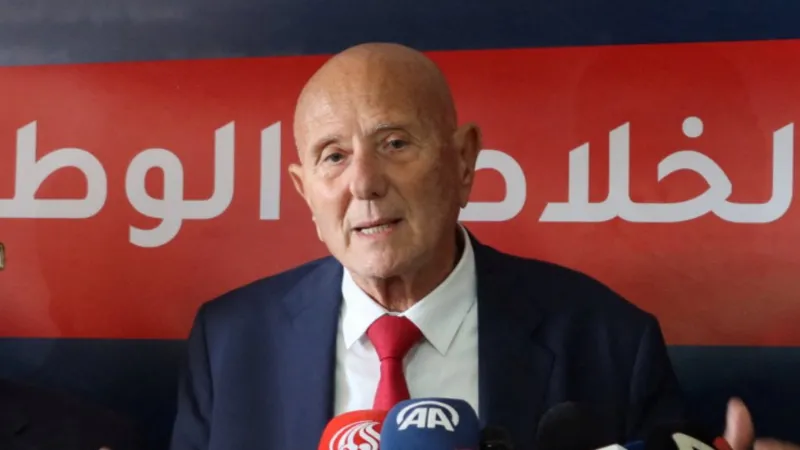
A Tunisian court has sentenced dozens of opposition figures, lawyers, and businessmen to lengthy prison terms in a sweeping case involving accusations of conspiracy and terrorism.
The ruling targets members of the National Salvation Front, the main opposition coalition, along with other political voices critical of the government.
The sentences, some of which stretch up to 66 years, were delivered late Friday and follow a wave of arrests that began in 2023. Among those jailed are prominent opposition leaders Issam Chebbi and Jawhar Ben Mbarek, both serving 18-year terms. In total, 40 people were charged, though many had already fled Tunisia and were tried in absentia.
The most severe sentence was handed to businessman and political activist Kamel Eltaief, who received a 66-year term. Former government minister Kamel Jendoubi, also sentenced in absentia, strongly criticized the outcome, saying the process resembled a political purge more than a judicial proceeding.
Defense lawyers echoed that view, calling the trial deeply flawed. One attorney described the courtroom proceedings as lacking any legal credibility. Human rights groups have also condemned the trial, viewing it as part of a broader clampdown on dissent in Tunisia.
President Kais Saied, who came to power in 2019, has taken a firm grip on the country’s institutions. After dissolving parliament, he pushed through reforms that critics say weakened democratic checks and concentrated power in the presidency. In 2024, Saied secured a second term amid accusations of jailing opponents and stifling free expression.
The current trial has reignited concerns about political freedoms in Tunisia, once seen as a rare democratic success story after the 2011 Arab Spring. That uprising began in Tunisia and led to the ousting of long-time ruler Zine El Abidine Ben Ali. Since then, hopes for lasting reform have faded, particularly under Saied’s increasingly authoritarian leadership.
International rights organizations, including Amnesty International, have raised alarm over Tunisia’s shrinking civil space. The government, however, insists it is pursuing justice against what it calls a corrupt elite that threatens national security.
As protests and criticism grow both inside and outside Tunisia, the recent verdicts are likely to deepen political divisions and further challenge the country’s path forward.