
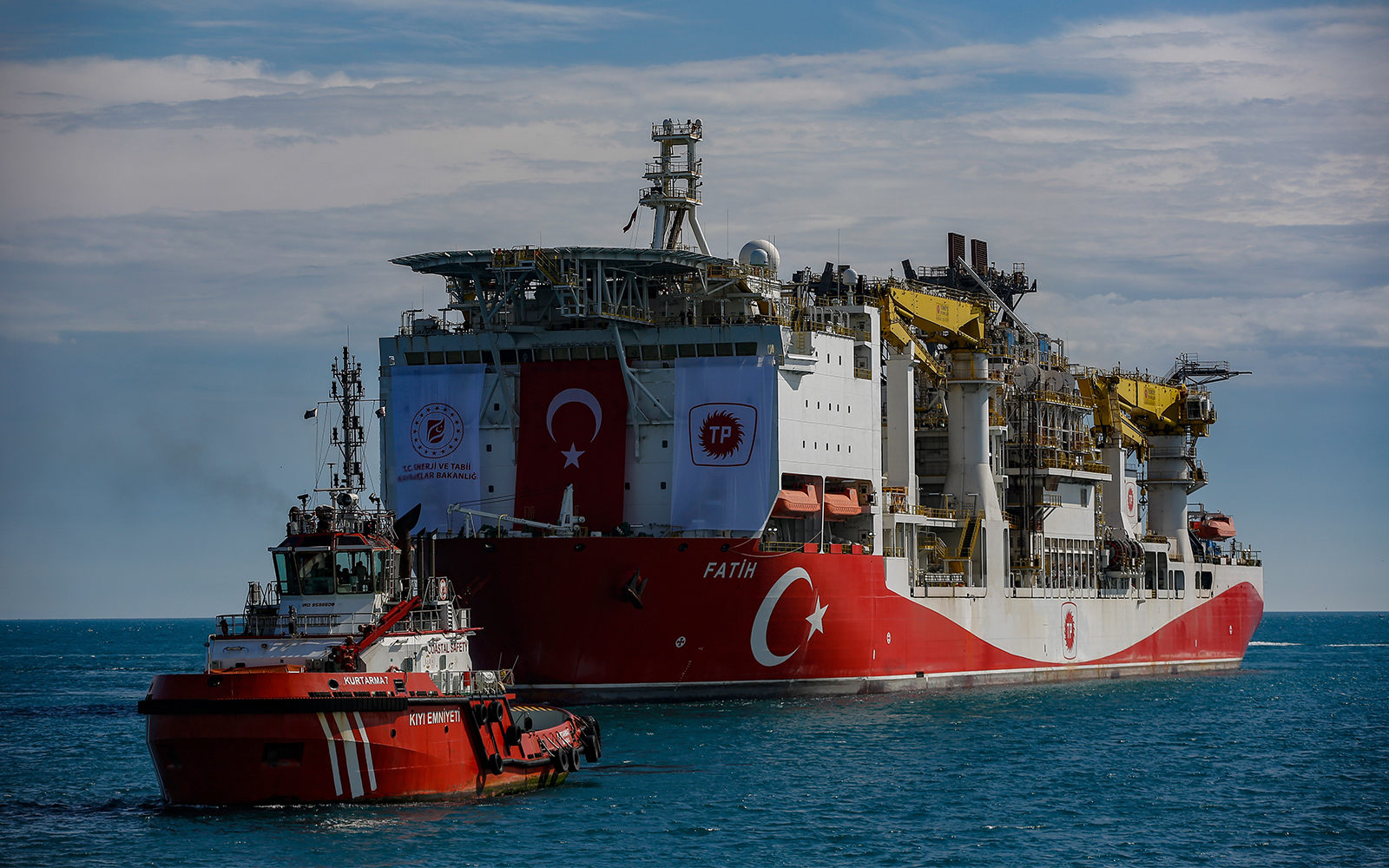
Turkey has uncovered a vast oil reserve in Somalia, with two of its three exploration blocks confirming commercially viable crude deposits.
Early assessments suggest that these two blocks hold up to 10 billion barrels of oil each, totaling around 20 billion barrels. The discovery is being hailed as a major step in Turkey’s push to expand its energy reach into East Africa.
The breakthrough follows months of geological studies and initial drilling in the region. Turkish teams operating in Somalia have now completed their evaluations in the first two blocks. Work continues on the third, with more data expected by August. Experts will test samples in Turkey to determine the quality and usability of the oil found there.
This oil find comes shortly after reports emerged of a profit-sharing agreement between Turkey and Somalia that heavily favors the Turkish government. According to leaked information, Turkey is set to receive 90 percent of the profits from offshore oil production. While the full details of the deal remain unpublished, the arrangement has stirred political unrest in Somalia. Critics argue that such an agreement gives away too much of the country’s wealth and leaves Somalia with little control over its own resources.
Ankara’s interest in Somali oil is part of a wider strategy to secure energy supplies and gain influence in resource-rich regions. The deal, if confirmed, would give Turkey a powerful position in one of Africa’s most promising offshore basins. Energy analysts say the size of the discovery could put Somalia on the global oil map and create a new energy corridor stretching from the Gulf of Aden to the Horn of Africa.
For Somalia, however, the situation is more complex. The country is still recovering from decades of conflict and instability. Many are calling for transparency and a fairer distribution of the expected oil revenues. Politicians, activists, and local leaders have voiced concerns that deals struck without broad consultation could lead to long-term economic dependency or renewed political tension.
As the third exploration block continues under review, the full scope of the oil discovery remains to be seen. Meanwhile, pressure is mounting on Somali authorities to clarify the terms of their agreements and ensure that the country’s natural wealth benefits its people. In the coming months, how Somalia and Turkey manage the next steps could shape not only their bilateral relationship but also the future of East Africa’s energy landscape.