
Tuvalu has entered a new era of financial access and modern banking, as the small Pacific island nation rolled out its first automated teller machines (ATMs) in a ceremony that marked a turning point for its people and economy.
The launch, which took place at the National Bank of Tuvalu’s headquarters in the village of Vaiaku on Funafuti, was attended by Prime Minister Feleti Teo, traditional leaders, lawmakers, and business figures. The occasion was described as historic, not only because it introduces ATMs for the first time, but also because it symbolizes the country’s shift from a fully manual banking system to the digital age.
For the island’s 11,000 residents, accessing cash has long been a challenge. Until now, Tuvaluans had to queue outside the bank, especially during salary payment periods, to withdraw money in person. The absence of electronic banking services had left most transactions dependent on physical cash and face-to-face banking.
Now, with five ATMs and 30 electronic sale terminals installed across the capital, including at Funafuti’s airport, residents will be able to make withdrawals and payments more conveniently. This rollout not only reduces pressure on the country’s sole banking branch but also allows shops to begin accepting electronic payments for the first time.
Initially, the new machines will support only prepaid cards. However, plans are underway to introduce debit and credit cards that can also be used internationally, further expanding the financial horizons of the population.
Siose Penitala Teo, head of the National Bank of Tuvalu, emphasized that the move to electronic banking will provide greater economic opportunity. With easier access to money and a modern payment system, local businesses and individuals are expected to benefit from faster, more reliable transactions.
Tuvalu, a collection of nine low-lying coral islands in the South Pacific, has been independent from the United Kingdom since 1978. Known formerly as the Ellice Islands, the country has long struggled with geographic isolation and limited infrastructure, making technological advancements difficult and expensive.
The ATM project, made possible through government support and strategic investment, represents a rare leap forward for the nation. While the machines were costly to install and operate, the government prioritized the initiative as part of its broader efforts to strengthen the economy and improve daily life.
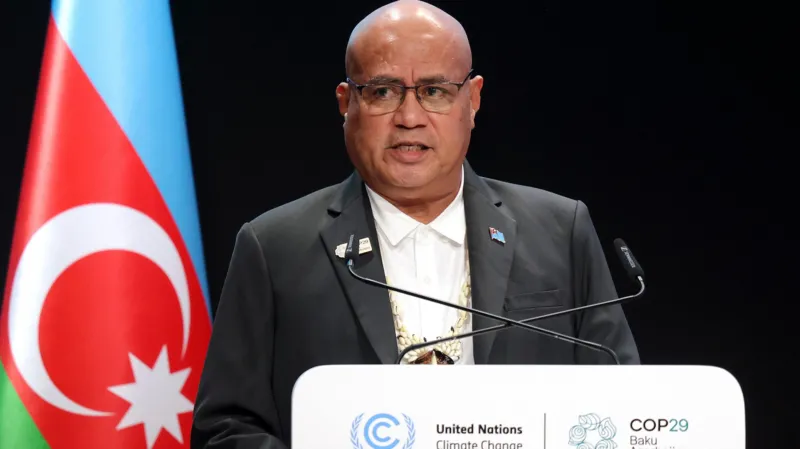
This development also comes as Tuvalu continues to confront the serious threat of climate change. With no point on the islands rising more than 4.5 meters above sea level, rising oceans could one day force Tuvaluans to relocate entirely. Just last year, Prime Minister Teo warned global leaders at the COP29 Climate Conference in Azerbaijan about the future risk of submersion due to melting glaciers and rising tides.
Despite such pressing environmental challenges, Tuvalu’s new embrace of modern banking technology reflects resilience and a focus on progress. For a nation fighting to preserve its place on the map, the introduction of ATMs may be a small step in global terms, but for Tuvalu, it’s a powerful symbol of change and hope.