
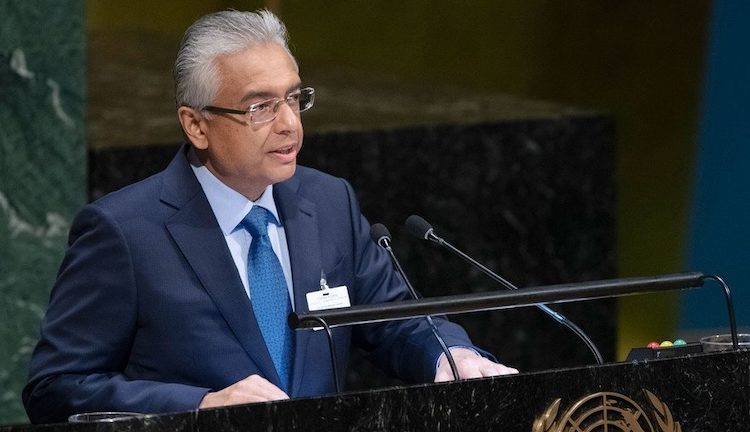
After years of legal battles and diplomatic pressure, the United Kingdom has agreed to return the Chagos Islands to Mauritius, bringing an end to its last remaining colony in Africa.
The move comes after thirteen rounds of negotiations that began in 2022 and falls during the fourth decade declared by the United Nations for ending colonial rule worldwide.
The Chagos Islands, a group of Indian Ocean atolls, were separated from Mauritius by Britain in 1965, three years before the island nation gained independence. In doing so, Britain created a new territory called the British Indian Ocean Territory. Thousands of Chagossians, the native population, were forcibly removed between 1967 and 1973 to clear the way for a military base on Diego Garcia, which Britain then leased to the United States. This base remains under joint UK-US control, and Britain has kept authority over it even as it returns sovereignty of the islands to Mauritius.
The decision follows global pressure after rulings by the International Court of Justice in 2019 and a UN General Assembly vote in 2021 that declared the British hold on the islands unlawful and called for their return. For years, Britain had dismissed these rulings, calling the ICJ’s opinion non-binding. But under growing international criticism and diplomatic efforts by Mauritius, the UK finally agreed to hand over the islands—except for Diego Garcia.
British officials, including Foreign Secretary David Lammy, say the arrangement ensures security cooperation with the US will continue, while also improving ties with Mauritius, a fellow Commonwealth member. The US base on Diego Garcia is a key strategic post for American operations in the Indian Ocean and Gulf regions.
Despite the diplomatic victory for Mauritius, many Chagossians feel sidelined. Those displaced during the forced removals and their descendants have long called for the right to return and a say in the future of their homeland. However, they were not included in the recent talks that led to the agreement. Community groups like Chagossian Voices have criticized the process, saying it ignored the people most affected by colonial actions and left them without a voice in shaping their future.
This agreement is a significant chapter in the global push to end colonialism. The United Nations, since its early years, has supported the right of all peoples to self-determination. Through multiple decades dedicated to decolonization, over 80 colonies have gained independence with the help of international support and pressure. The return of the Chagos Islands to Mauritius adds to that list, even though questions remain about justice and inclusion for the displaced Chagossian people.
As the world continues to reckon with its colonial past, the Chagos case stands as both a milestone and a reminder of the work still left to do—especially when it comes to those whose lives were upended by colonial power plays and who still wait for recognition, return, and repair.