
British households are bracing for higher council tax payments after a decision that has stirred strong reactions.
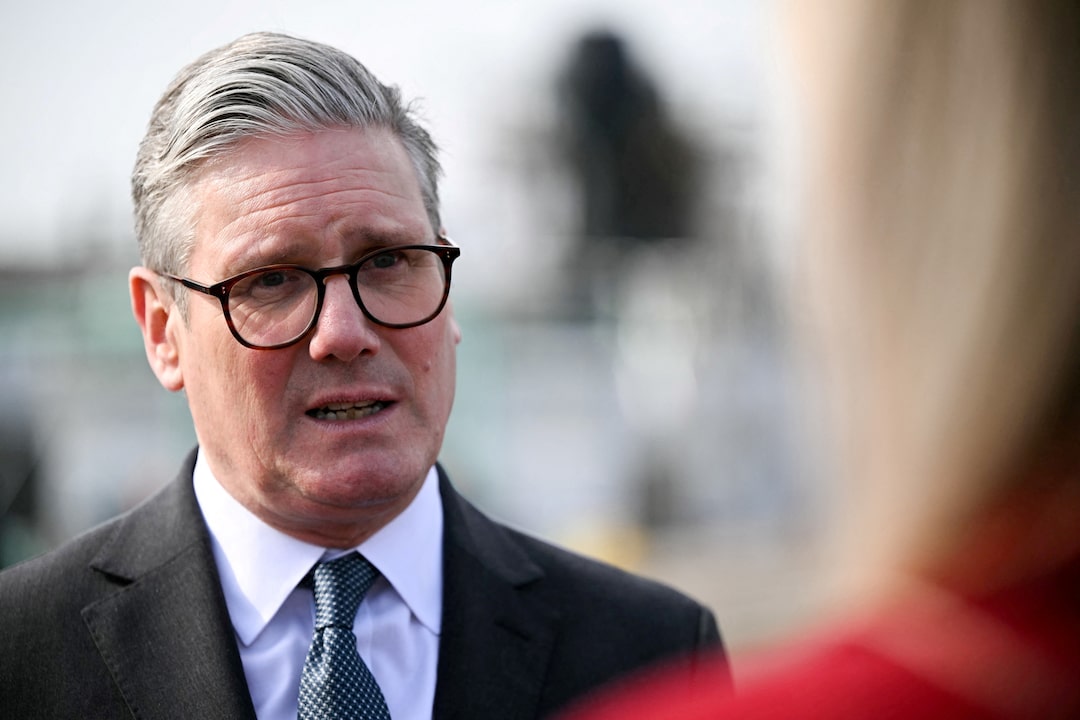
The announcement, linked to Labour leader Keir Starmer, has led to frustration among residents already dealing with rising living costs.
The increase affects millions across the UK, with local councils set to charge more for essential services. The move has sparked criticism, particularly from those struggling with financial pressures. Many believe the added cost will deepen economic strain on families.
Public response has been intense, with opposition figures and campaigners voicing their anger. Some have called it an unfair burden on working-class families, while others argue it is necessary to maintain public services. The debate has reignited concerns about affordability and government spending.
Officials claim the rise is needed to support local services, including social care, waste management, and infrastructure projects. They argue that without the increase, councils would face severe financial difficulties, leading to service cuts.
Many are now questioning how the extra revenue will be used and whether households will see improvements in their communities. The government is facing pressure to ensure transparency and fairness in how the funds are allocated.
As the debate continues, the issue of council tax is expected to remain a key topic in political discussions. With elections on the horizon, how leaders address these concerns could influence public opinion in the months ahead.