
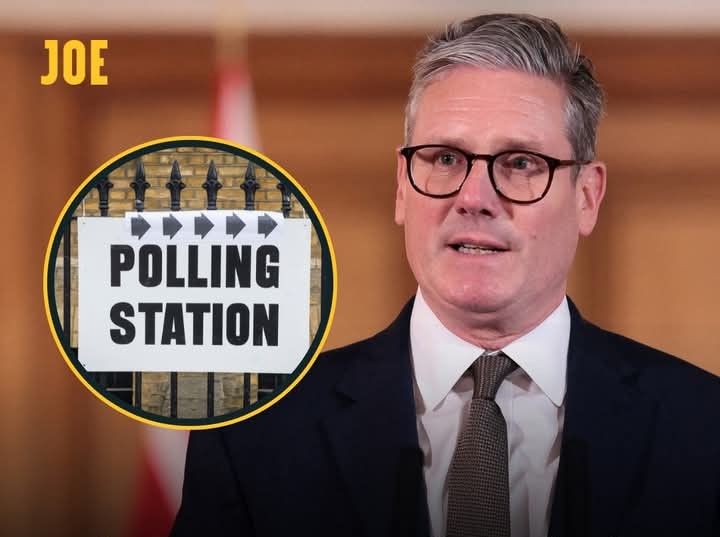
Labour Party leader Keir Starmer has pledged to lower the voting age to 16 if his party wins the general election, marking a significant shift in the UK’s electorate.
This move aims to engage younger voters in the democratic process and could add around 1.5 million young people to the electorate.
Starmer explained the logic behind this decision, stating, “If you can work, if you can pay tax, if you can serve in your armed forces, then you ought to be able to vote.”
This proposal has been considered by Labour for over a year and is seen as a step towards expanding the electorate and encouraging younger citizens to participate in democracy.
The decision has sparked debate, with some Conservatives accusing Labour of attempting to “rig the electorate” for their own benefit. Conservative Party chairman Greg Hands criticized the move, saying,
“This is nothing but a desperate attempt to rig the electorate.” However, others argue that this change could bring a fresh perspective to the democratic process.
Scotland and Wales have already implemented similar changes, allowing 16- and 17-year-olds to vote in local and devolved parliamentary elections.
These regions will serve as a guide for Labour’s national plan, potentially paving the way for a more inclusive voting system.
The proposal has raised questions about the potential impact on the democratic process and the role of younger voters.
Some argue that 16-year-olds are more likely to be influenced by their parents or teachers, while others believe that they are mature enough to make informed decisions.
The debate surrounding the voting age has been ongoing for several years, with many arguing that younger voters should have a greater say in the democratic process.
The decision to lower the voting age to 16 could have significant implications for the UK’s electoral system and the way in which politicians engage with younger voters.